Why bottled water isn’t always safer
‹ ADVERTISEMENT ADVERTISEMENT In the wake of sudden tap water discolorations or news about “forever chemicals,” many urban residents instinctively reach for bottled water as a “safer” alternative. However, from…
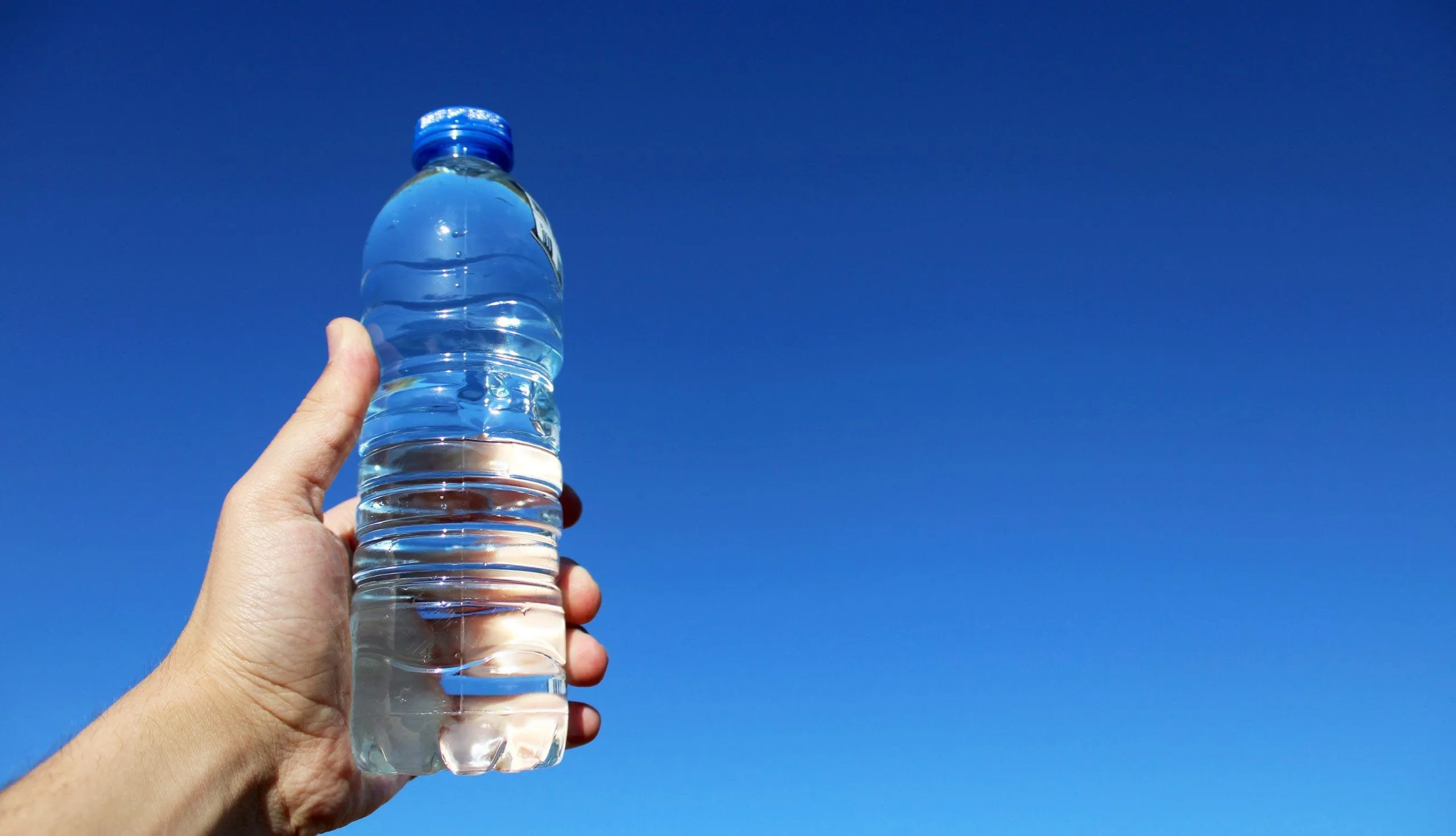
‹ ADVERTISEMENT ADVERTISEMENT In the wake of sudden tap water discolorations or news about “forever chemicals,” many urban residents instinctively reach for bottled water as a “safer” alternative. However, from…
‹ ADVERTISEMENT ADVERTISEMENT For many residents, a strong “swimming pool” or “bleach” smell at the tap is a source of immediate alarm. It feels like the city has “over-dosed” the…
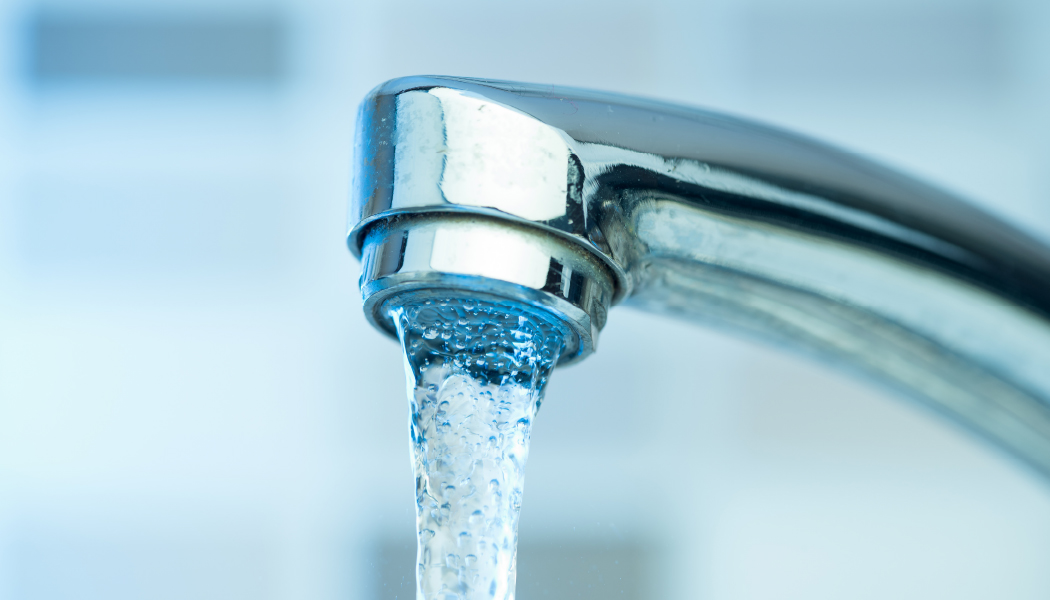
‹ ADVERTISEMENT ADVERTISEMENT When you experience low water pressure, an unusual odor, or discoloration, the first step is determining who is responsible. The issue may come from a specific faucet,…
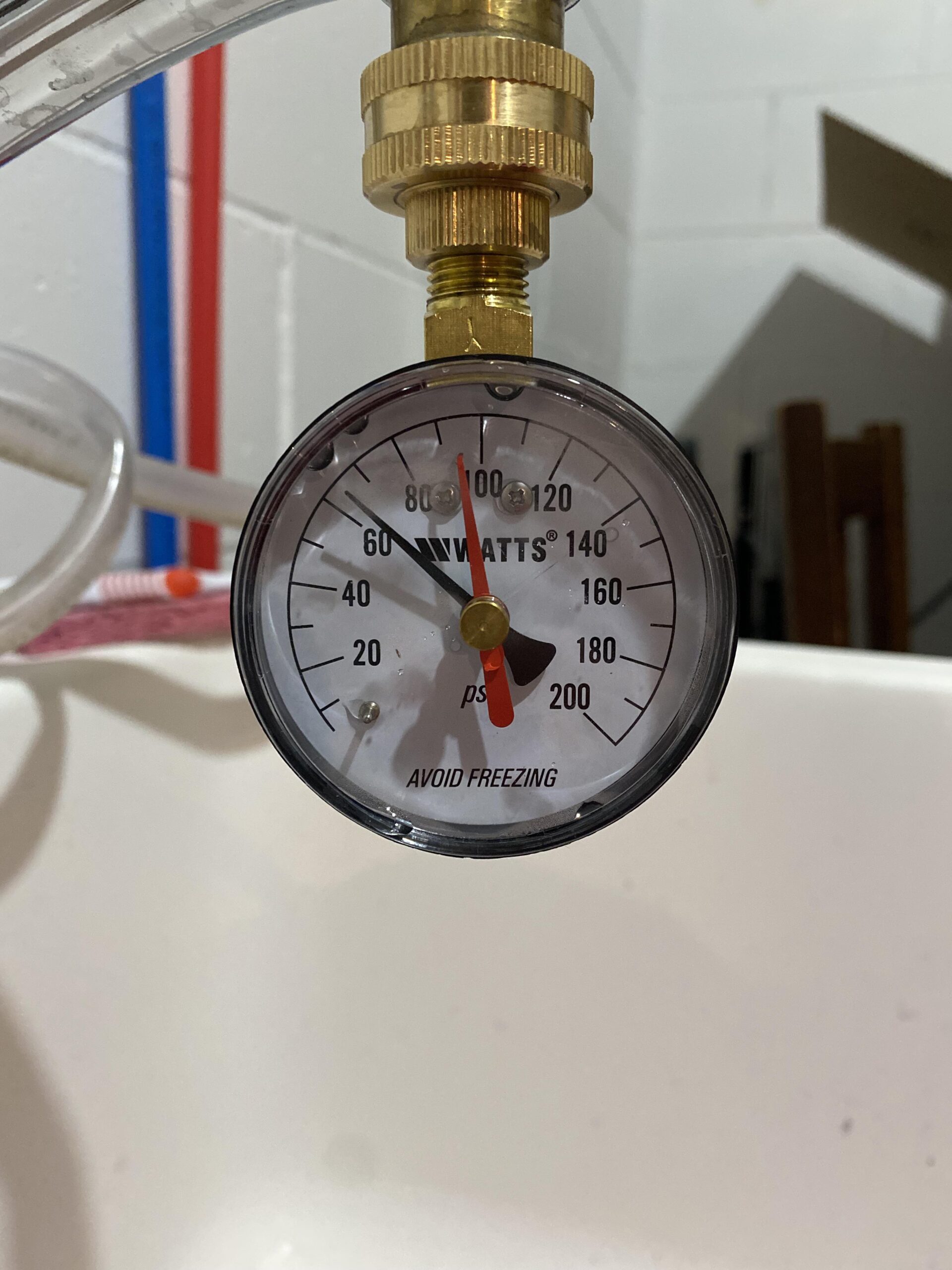
‹ ADVERTISEMENT ADVERTISEMENT Living in a Brooklyn apartment can sometimes involve unexpected changes in tap water quality, including unusual tastes, discoloration, or unfamiliar odors. These concerns are particularly common in…
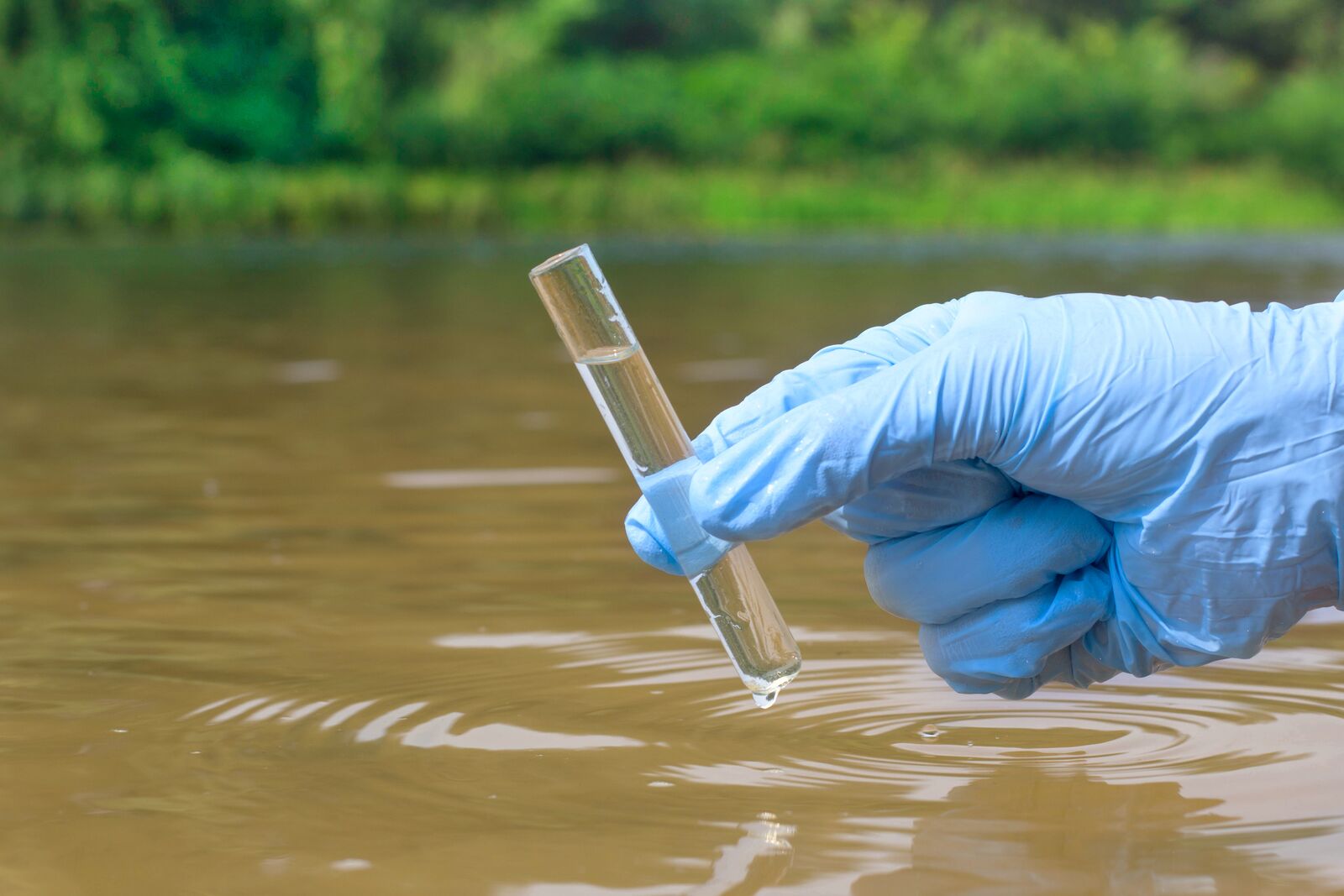
‹ ADVERTISEMENT ADVERTISEMENT Returning from a relaxing vacation only to turn on the tap and see a burst of yellow water or hear a “coughing” sound from the pipes can…

‹ ADVERTISEMENT ADVERTISEMENT If you have ever been home during a localized water main repair or a building-wide shut-off, you know the sound: a violent “thump” followed by a rush…

‹ ADVERTISEMENT ADVERTISEMENT One of the most common experiences during a city-side water main repair or a building fire-hydrant test is the sudden appearance of “tea-colored” water. However, many residents…

‹ ADVERTISEMENT ADVERTISEMENT In the urban environment, tap water is rarely a “static” product. It changes color, smell, and taste based on the season, local construction, and the age of…

‹ ADVERTISEMENT ADVERTISEMENT For new parents, convenience is often the primary goal. When preparing a bottle in the middle of the night, it is tempting to use the “warm” water…

‹ ADVERTISEMENT ADVERTISEMENT When you encounter a water issue in an urban apartment, your first instinct is likely to call the landlord or property manager. However, in major cities like…

‹ ADVERTISEMENT ADVERTISEMENT If you live in a multi-level home or a duplex, you’ve likely noticed a frustrating technical quirk: the kitchen sink on the first floor has incredible pressure,…

‹ ADVERTISEMENT ADVERTISEMENT When a major construction project begins on your block—whether it is a new luxury high-rise or a standard street-main replacement—most residents worry about the noise and the…
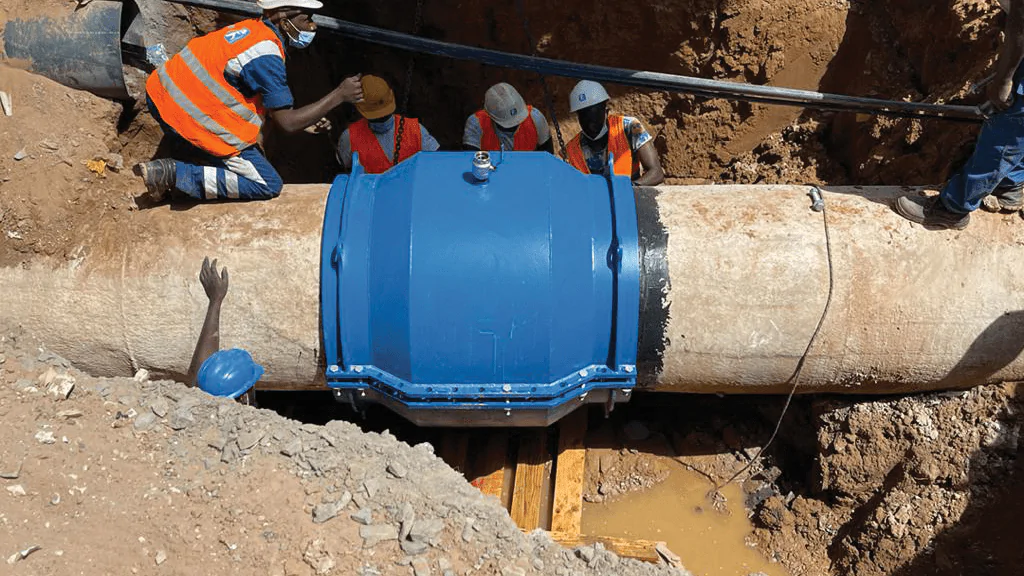
‹ ADVERTISEMENT ADVERTISEMENT When a water main breaks or undergoes repairs in a major city, the impact can continue even after the physical work has been completed. Residents may notice…
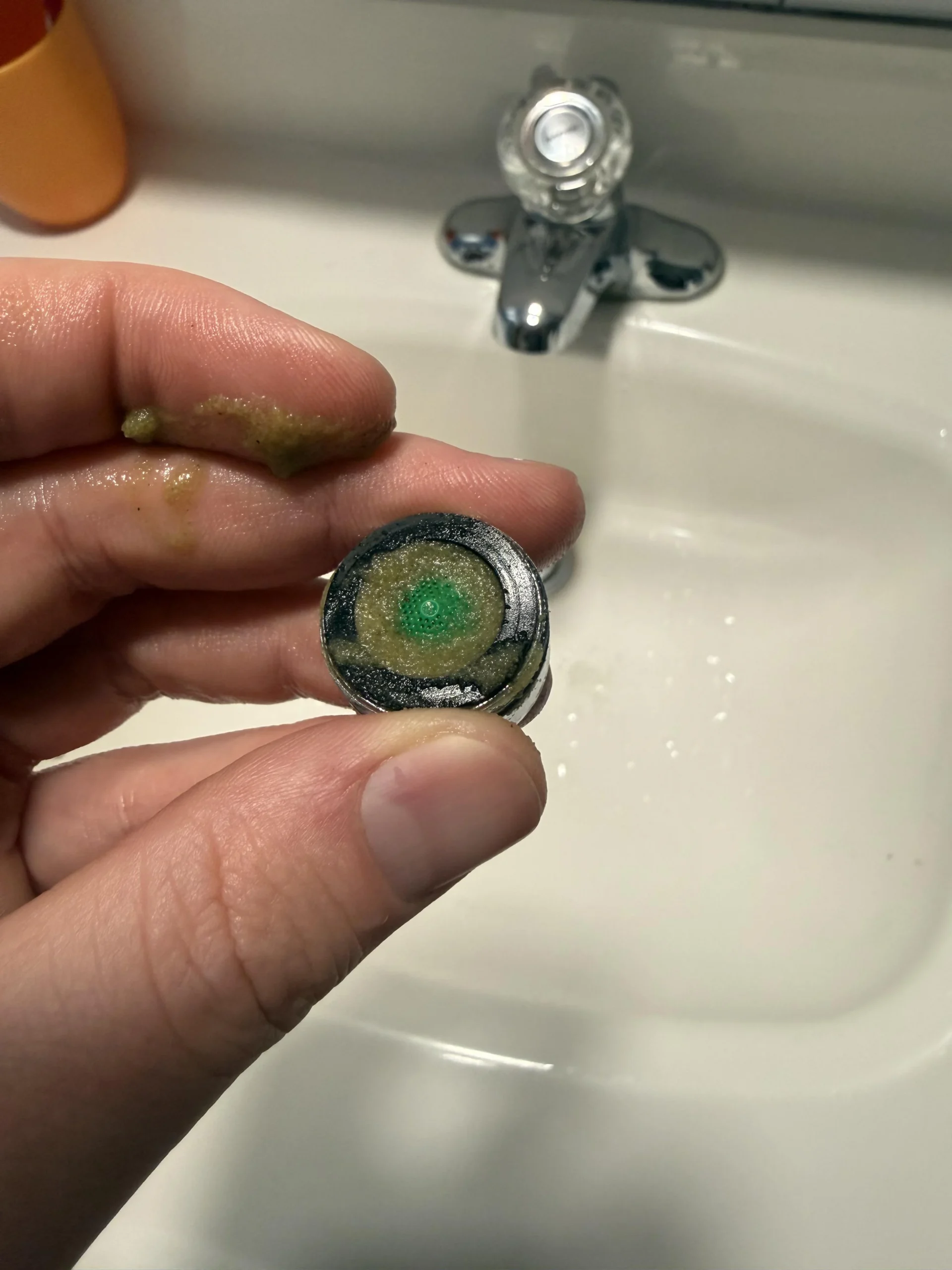
‹ ADVERTISEMENT ADVERTISEMENT Most residents never see the inside of their faucet’s aerator until the water pressure drops to a trickle. However, that small mesh screen is the most valuable…

‹ ADVERTISEMENT ADVERTISEMENT The “First-Draw” of the morning is the most honest moment in a home’s plumbing lifecycle. When you turn on your tap after 6 or 8 hours of…
‹ ADVERTISEMENT ADVERTISEMENT When searching for an apartment in New York or Jersey City, an updated kitchen is often one of the most attractive features for buyers and renters. Stainless…

‹ ADVERTISEMENT ADVERTISEMENT In a multi-story building, water does not simply “flow” to your apartment; it is carefully engineered to travel upward against the force of gravity. The foundation of…

‹ ADVERTISEMENT ADVERTISEMENT When we think of “dirty” water, we usually imagine mud or rust. However, the most common cause of clarity issues in modern homes is actually “mineral scale”—a…

‹ ADVERTISEMENT ADVERTISEMENT Residents of older apartments or historic homes may notice that one faucet runs clear in the morning while another briefly releases brown or discolored water. This pattern…
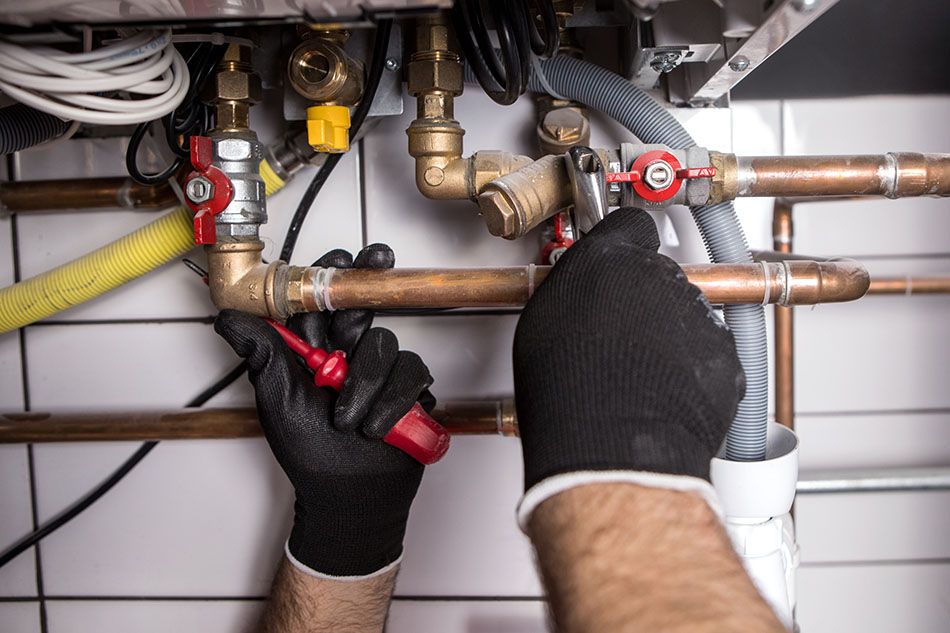
‹ ADVERTISEMENT ADVERTISEMENT A common misconception is that every water quality issue begins with the city supply. In reality, problems in urban apartments can originate from three different sources: the…
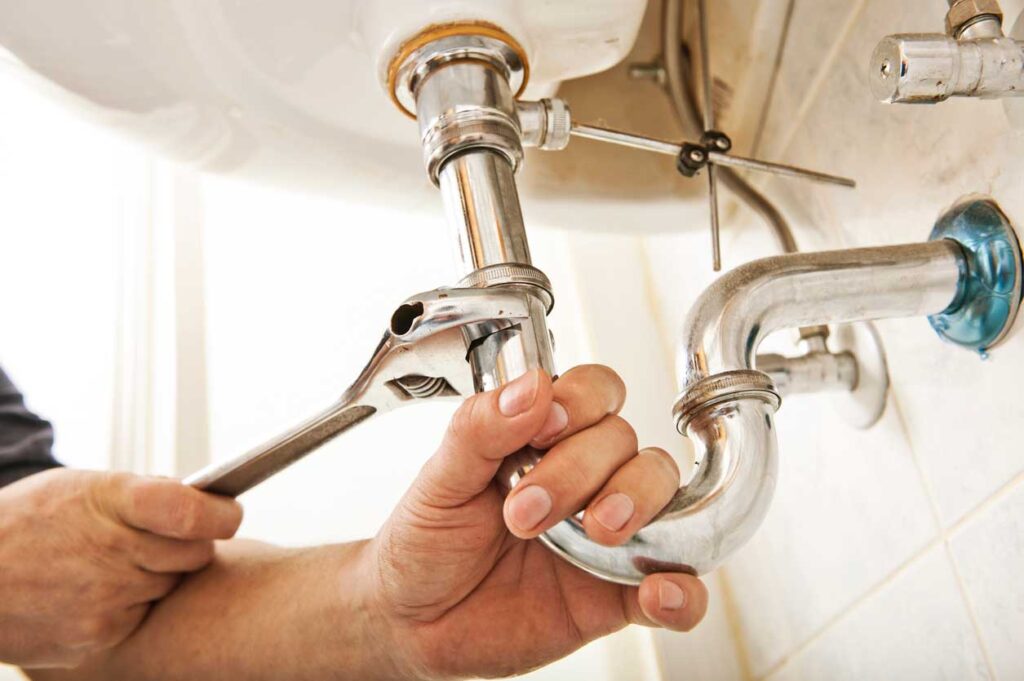
‹ ADVERTISEMENT ADVERTISEMENT Many older buildings throughout New York and New Jersey contain mixed-metal plumbing systems, where original galvanized iron pipes have been repaired, replaced, or connected with newer materials…
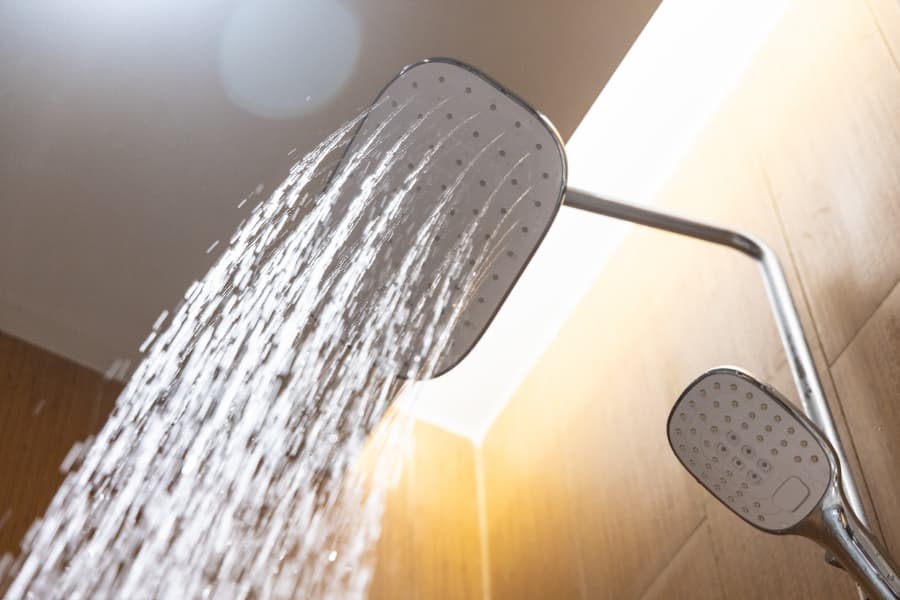
‹ ADVERTISEMENT ADVERTISEMENT For many apartment dwellers, the most frustrating part of the day is the “shower dance”—constantly adjusting the handle as the water alternates between freezing and scalding. While…

‹ ADVERTISEMENT ADVERTISEMENT In the historic neighborhoods of Brooklyn, the Bronx, and Jersey City, many buildings constructed between 1910 and 1960 still rely on their original “galvanized” plumbing. Galvanized pipes…

‹ ADVERTISEMENT ADVERTISEMENT When investigating a strange “rubbery,” “plastic,” or “medicinal” taste in tap water, researchers often look at the city source or the main building risers. However, there is…
‹ ADVERTISEMENT ADVERTISEMENT When most people experience poor water pressure, a strange odor, or fine “specks” in their water, they immediately blame the city or their landlord. However, in over…
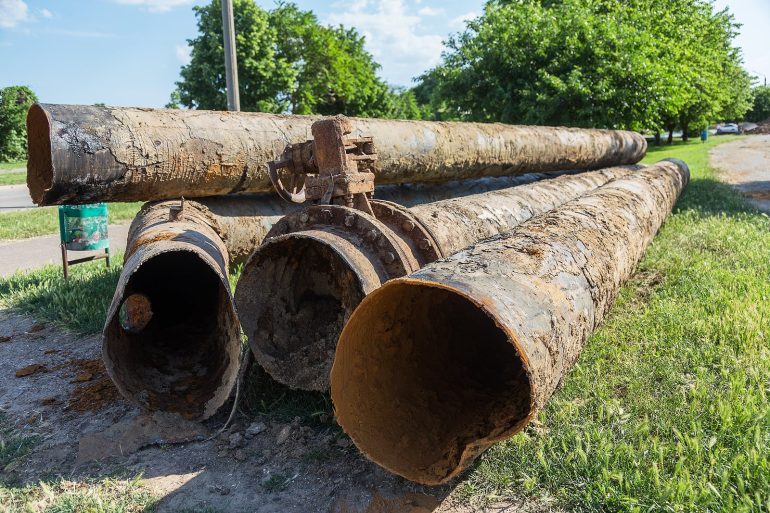
‹ ADVERTISEMENT ADVERTISEMENT Brooklyn is currently undergoing one of the most intense construction and redevelopment phases in its history. From the luxury towers of Williamsburg to the revived brownstones of…

‹ ADVERTISEMENT ADVERTISEMENT West Orange, New Jersey, is a community where historic 1920s architecture meets modern suburban development. However, many residents—particularly those in the older “valley” neighborhoods and the historic…
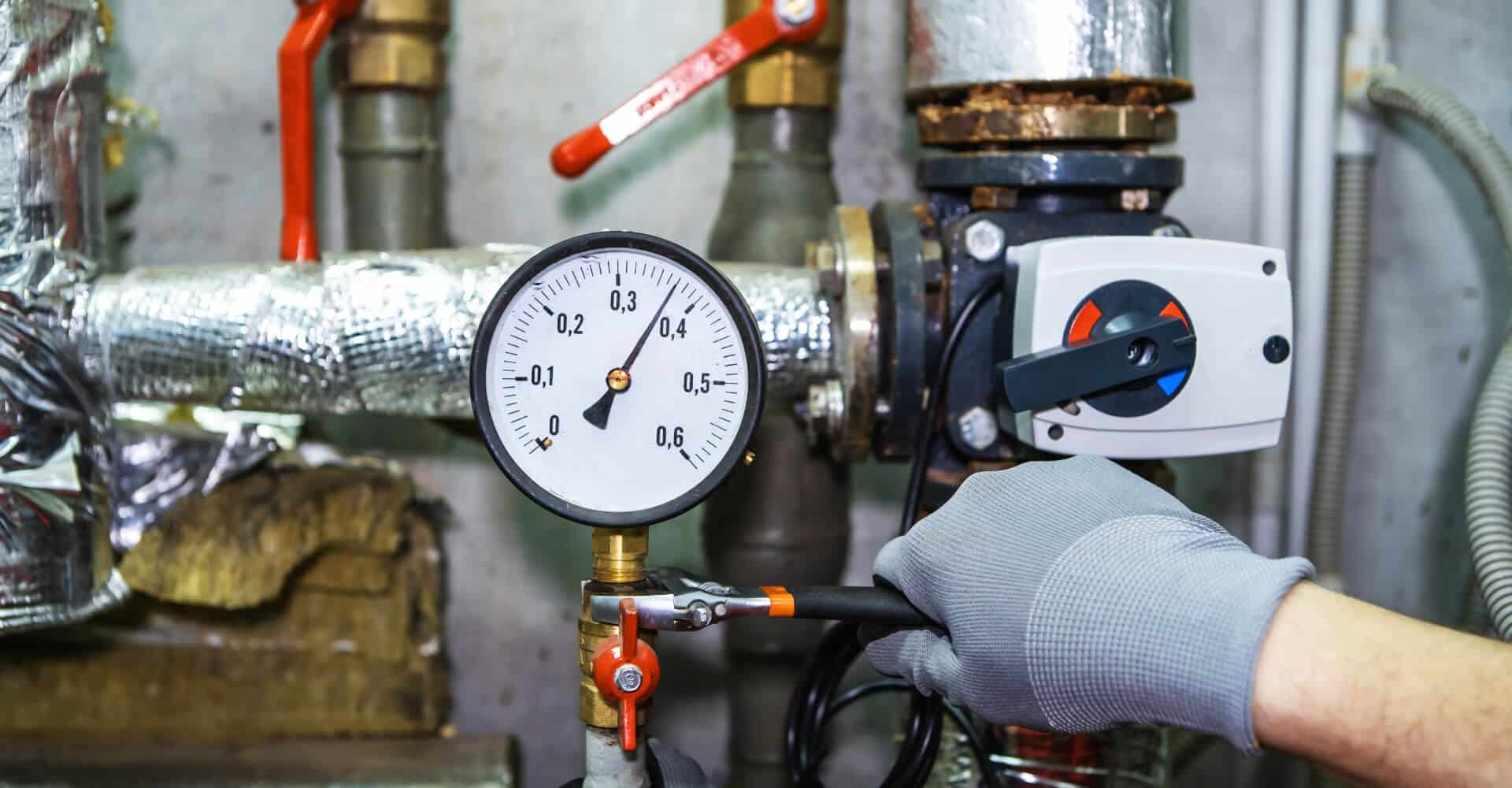
‹ ADVERTISEMENT ADVERTISEMENT Montclair, New Jersey, is defined by its stunning hillside geography, stretching from the lowland borders of Glen Ridge up to the dramatic heights of the First Watchung…

‹ ADVERTISEMENT ADVERTISEMENT Fort Lee, New Jersey, often serves as a primary residential hub for those working across the Hudson River in Manhattan. However, the connection between these two locations…

‹ ADVERTISEMENT ADVERTISEMENT Hoboken is a vibrant, dense mile-square city with a “direct-feed” relationship with its water infrastructure. However, below the cobblestones and brownstones lies a water distribution network that…
‹ ADVERTISEMENT ADVERTISEMENT Jersey City is a patchwork of distinct neighborhoods—from the glassy towers of the Waterfront and Exchange Place to the historic hills of Jersey City Heights and the…
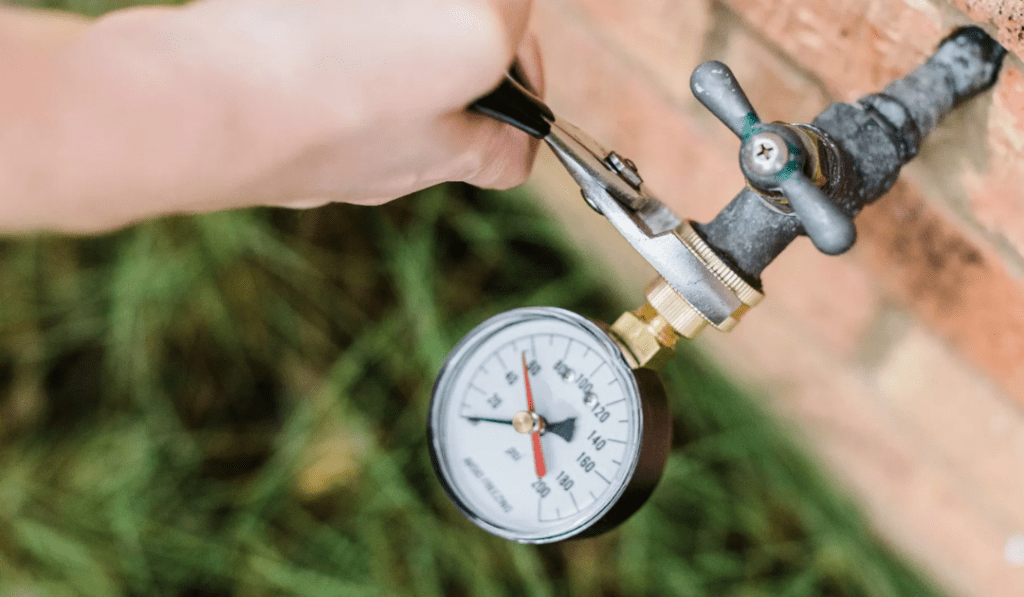
‹ ADVERTISEMENT ADVERTISEMENT One of Harlem’s most defining characteristics is its varied topography—from the riverfront lowlands of East Harlem to the dramatic heights of Hamilton Heights and Sugar Hill. This…

‹ ADVERTISEMENT ADVERTISEMENT Lower Manhattan—from the Financial District to the Seaport—is a dense, vertical landscape that is constantly being rebuilt. While residents are accustomed to the noise and dust of…
‹ ADVERTISEMENT ADVERTISEMENT For many residents in the North Bronx and the historic areas above the Harlem River, the morning routine includes a frustrating sight: a brief burst of brown…

‹ ADVERTISEMENT ADVERTISEMENT For many Queens residents, the character of their tap water is a cyclical phenomenon. From the dense apartments of Long Island City to the garden communities of…

‹ ADVERTISEMENT ADVERTISEMENT If you live in a classic Brooklyn brownstone, you probably appreciate the history and character of your neighborhood. However, that history includes a water distribution network that…
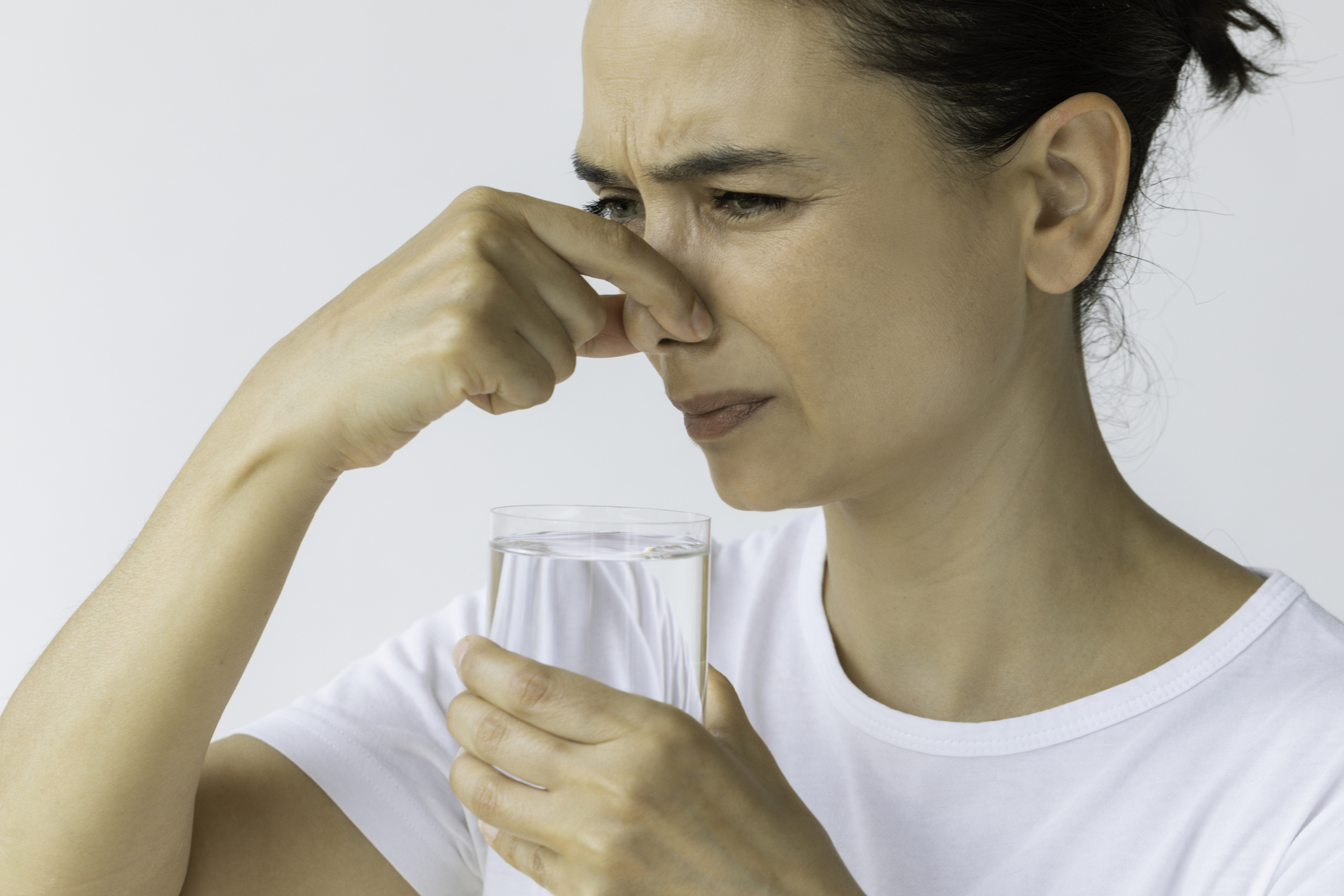
‹ ADVERTISEMENT ADVERTISEMENT There is nothing quite as off-putting as turning on your kitchen sink to wash vegetables and being hit with a “swampy,” “rotten egg,” or “musty” odor. While…
‹ ADVERTISEMENT ADVERTISEMENT One of the most fascinating aspects of a large-scale water system is how it interacts with the natural environment. Many residents notice that after a heavy rainstorm,…
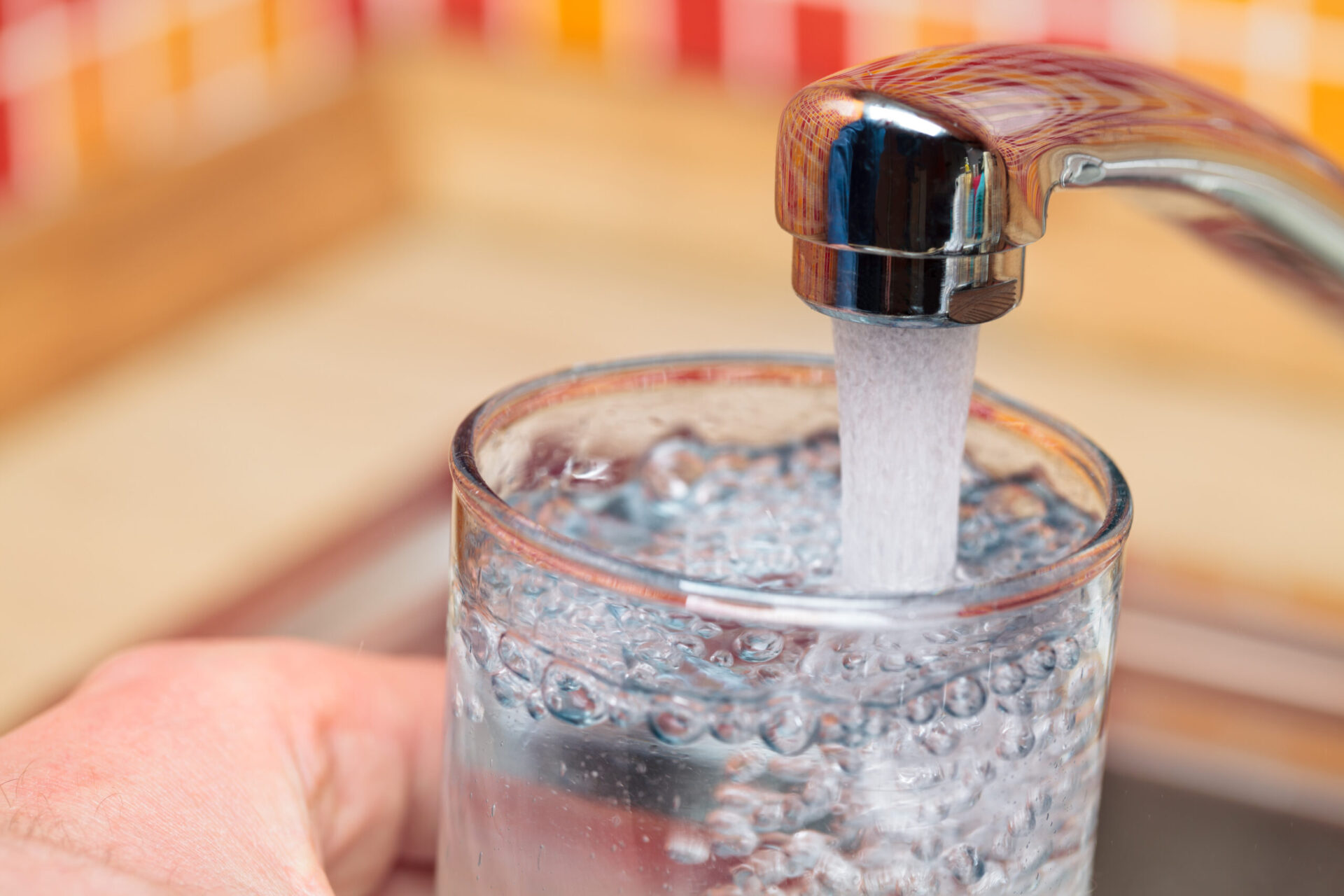
‹ ADVERTISEMENT ADVERTISEMENT We are often advised to run the tap briefly when water appears unusual, as short-term discoloration may be caused by temporary sediment movement or changes in water…

‹ ADVERTISEMENT ADVERTISEMENT Water quality is not determined solely by what happens at municipal treatment plants. The final stage of its journey through a building’s fixtures, valves, supply lines, and…

‹ ADVERTISEMENT ADVERTISEMENT Discolored tap water can be concerning, whether it appears as a light yellow tint, cloudy appearance, or a sudden dark brown burst. Before contacting a professional, residents…

‹ ADVERTISEMENT ADVERTISEMENT Most people naturally choose cold tap water for drinking because it often tastes fresher, but there are also practical reasons behind this recommendation. Hot water can interact…

‹ ADVERTISEMENT ADVERTISEMENT A sharp, metallic, or “iron-like” taste in drinking water is often one of the first noticeable signs that something may be changing within a home’s plumbing system.…

‹ ADVERTISEMENT ADVERTISEMENT There is perhaps nothing more alarming than turning on your bathroom sink in the morning and seeing a sudden, violent ‘burst’ of brown or reddish water before…

‹ ADVERTISEMENT ADVERTISEMENT Few things are more unsettling than filling a glass of water and seeing a white, opaque, or ‘milky’ liquid instead of a clear stream. While our brains…

‹ ADVERTISEMENT ADVERTISEMENT One of the most frequent complaints from urban residents is a sudden, sharp scent of chlorine emanating from the kitchen sink or shower. While the smell of…

‹ ADVERTISEMENT ADVERTISEMENT Discovering that your tap water has taken on a distinct yellow or straw-colored tint can be a jarring experience. While your first instinct might be to worry…

‹ ADVERTISEMENT ADVERTISEMENT If you have ever noticed that your first glass of water in the morning tastes slightly different than a glass poured at noon, you aren’t imagining things.…