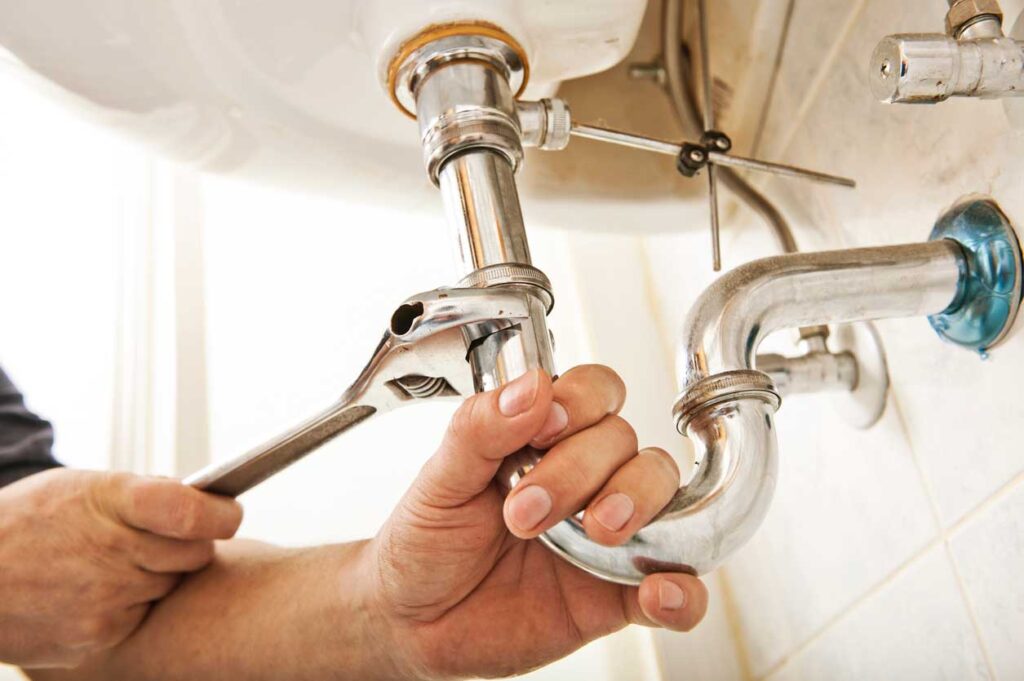
Many older buildings throughout New York and New Jersey contain mixed-metal plumbing systems, where original galvanized iron pipes have been repaired, replaced, or connected with newer materials such as copper, brass, or PEX. While this type of patchwork approach is common in aging buildings, combining different plumbing materials can create conditions that contribute to galvanic corrosion.
When different metals interact within a plumbing system, chemical reactions may occur that accelerate corrosion over time. This can affect the appearance, taste, and clarity of tap water, while also contributing to the release of metal particles or deposits from aging components. These issues may be more noticeable in buildings where renovations have updated only certain sections of the plumbing network while leaving older materials in place.
Understanding how different plumbing materials interact is an important part of internal plumbing education. Recognizing the role of mixed-metal systems helps residents, property owners, and managers better understand why water quality can vary between buildings, apartments, and even individual fixtures.
When corrosion or aging plumbing materials are suspected, Lead testing experts in Manhattan can help evaluate water samples and determine whether plumbing conditions are contributing to potential lead or other metal-related concerns.
Professional testing provides the information needed to identify whether water quality issues are linked to corrosion, plumbing materials, or other factors within the building system. This allows property owners to make informed decisions about repairs, upgrades, and long-term water safety.
The Battery Effect: Galvanic Corrosion
When two different metals—like iron and copper—are physically connected and filled with water, they act like a battery. An electrical current flows between them, and the “less noble” metal (the iron) begins to corrode at an accelerated rate at the point of contact. This process is known as “electrolysis.” In a mixed-metal building, this results in the rapid production of fine iron-oxide particles (rust) right at the joints where the materials meet. This is the source of the “phantom” yellow tint that appears sporadically throughout the day. This is a classic internal building quality issue that cannot be solved at the city treatment plant. The more metals you mix, the more complex the chemical battery becomes. Your pipes are essentially generating power at the expense of their own metal.
The Appearance of “Blue-Green” vs. “Red-Orange”
A mixed-metal system provides distinct visual clues. If your water has a light light-blue or green tint and leaves stains on your porcelain, your copper pipes are being attacked by the electrical current or by acidic water. If the water has a reddish-orange tint, it is the iron pipes that are failing. When both colors appear (sometimes as a grayish haze), it indicates a widespread “galvanic failure” throughout the building risers. Recognizing these colors is a core part of our visual identification guide. This “rainbow” of corrosion products is a sign that your building’s infrastructure is literally eating itself from the inside out. Your sink is the final destination for this subterranean chemical warfare. Color is the language of corrosion.
Stray Current and Grounding Issues
In some older buildings, the plumbing system is used as an electrical ground for the building’s wiring. If there is a “stray current” or a loose ground wire, the water pipes will carry a low-level electrical charge. In a mixed-metal system, this speeds up the galvanic corrosion by a factor of ten. Residents of these buildings often report that their water has a “tingly” or “electric” taste, and that their faucet aerators clog with grit every two weeks regardless of city activity. This is a serious infrastructure concern that requires both a master plumber and an electrician to resolve. At Know Your Tap, we believe that your water should be a beverage, not a conductor. Electricity and water are a dangerous mix for your pipes’ longevity.
Dielectric Nipples and the Failed Patch
To prevent this “battery effect,” plumbers are required to use “dielectric nipples”—plastic-lined connectors that physically separate the two different metals. However, in many older buildings, these were either never installed or have failed over 40 years of service. When a copper pipe is threaded directly into a galvanized iron pipe, the joint will eventually clog entirely with a “bridge” of hard mineral and rust scale. This not only discolors the water but also causes a permanent loss of water pressure. This is a frequent topic in our New Jersey plumbing FAQ and is consistent with EPA-mandated safety observations regarding metal leaching. A patch is only as good as the physics used to install it. Proper separation is the only way to stop the battery.
Managing a Mixed-Metal Household
If you live in a building with multiple pipe materials, the best proactive step is to install a building-wide chemical feeder that uses food-grade polyphosphates. These chemicals coat the inside of the pipes with a microscopic protective film, “insulating” the metals from each other and the water. Additionally, regular “flushing” of the hot water heater can remove the metallic sediment that settles there after being “thrown off” by the galvanic reaction. Knowing which pipe materials serve your unit is a technical requirement for modern dwelling. At Know Your Tap, we help you map your home’s internal metal signature for better long-term health. Your pipes reflect your building’s history.
Conclusion
Mixed-metal plumbing is a technical reality that dictates the clarity and taste of your water. By understanding the physics of galvanic corrosion and the “battery effect” of patchwork pipes, you can stop guessing about your water’s appearance and start addressing the underlying infrastructure. Know your metals, know your building, and always Know Your Tap. A consistent pipe material is the foundation of consistent water quality. At Know Your Tap, we provide the clarity you need to navigate the rainbow of subterranean metals. Clear water is a matter of material harmony.