Why bottled water isn’t always safer
In the wake of sudden tap water discolorations or news about “forever chemicals,” many urban residents instinctively reach for bottled water as a “safer” alternative. However, from a technical and…
In the wake of sudden tap water discolorations or news about “forever chemicals,” many urban residents instinctively reach for bottled water as a “safer” alternative. However, from a technical and…
For many residents, a strong “swimming pool” or “bleach” smell at the tap is a source of immediate alarm. It feels like the city has “over-dosed” the water with chemicals.…
When you experience low pressure, a strange odor, or discolored water, the first question is always: “Who is responsible?” Is this a problem with your specific faucet, your building’s infrastructure,…
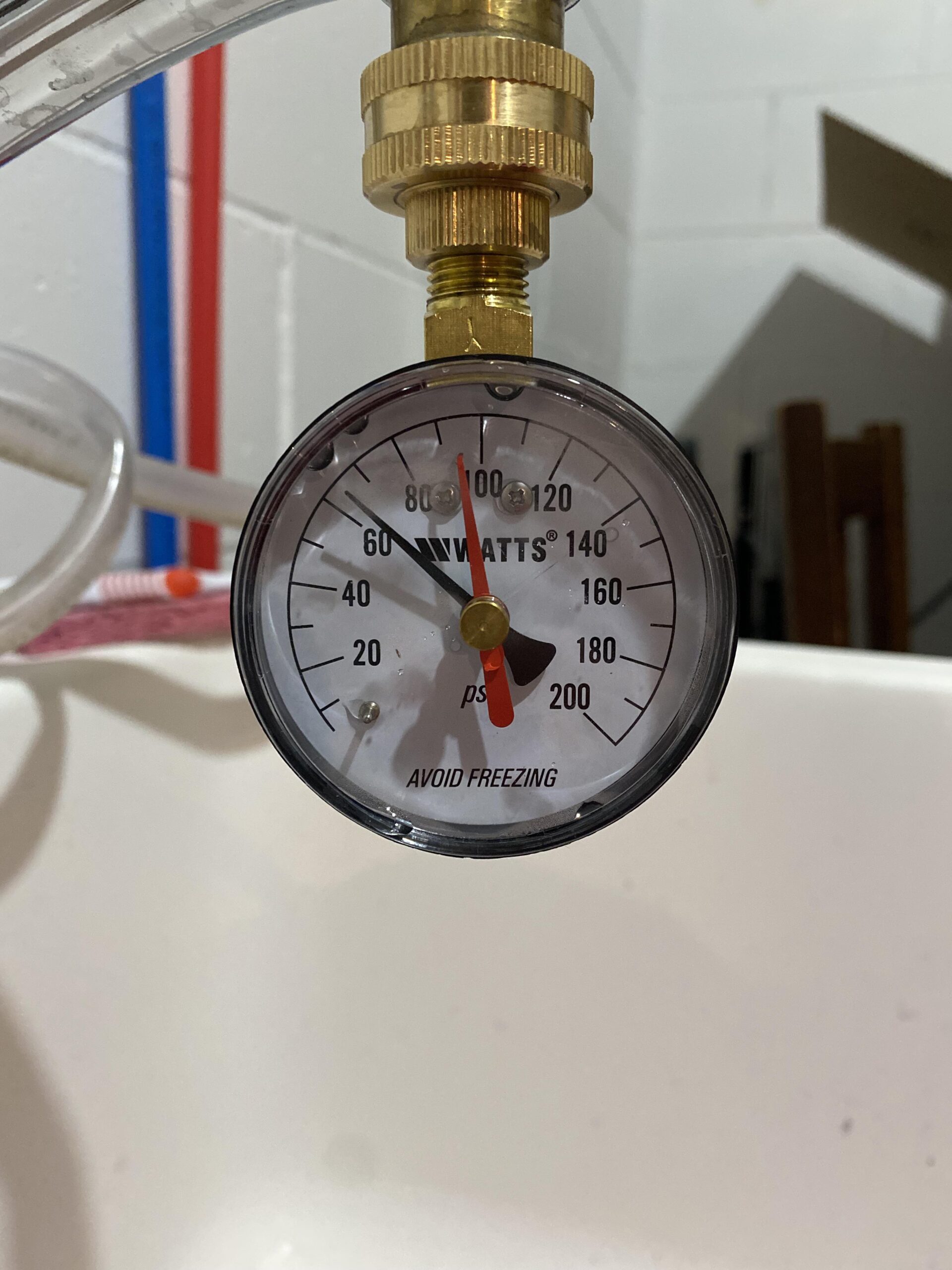
Living in a Manhattan apartment often means dealing with unpredictable indoor temperatures. One room may feel freezing in the morning, while another becomes unbearably hot by afternoon. These sudden temperature…
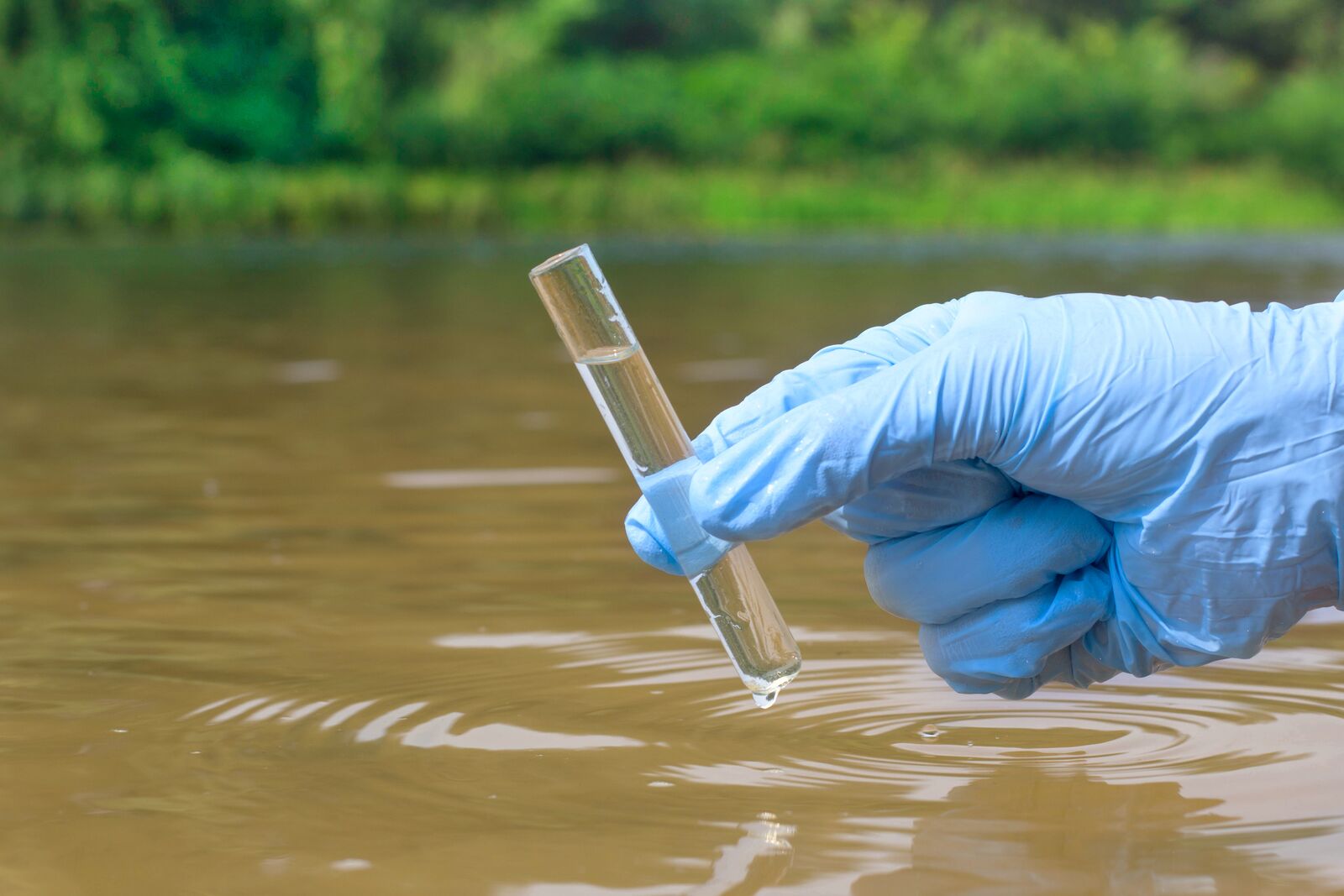
Returning from a relaxing vacation only to turn on the tap and see a burst of yellow water or hear a “coughing” sound from the pipes can be a jarring…

If you have ever been home during a localized water main repair or a building-wide shut-off, you know the sound: a violent “thump” followed by a rush of air and…

One of the most common experiences during a city-side water main repair or a building fire-hydrant test is the sudden appearance of “tea-colored” water. However, many residents are surprised to…

In the urban environment, tap water is rarely a “static” product. It changes color, smell, and taste based on the season, local construction, and the age of your building. For…

For new parents, convenience is often the primary goal. When preparing a bottle in the middle of the night, it is tempting to use the “warm” water straight from the…
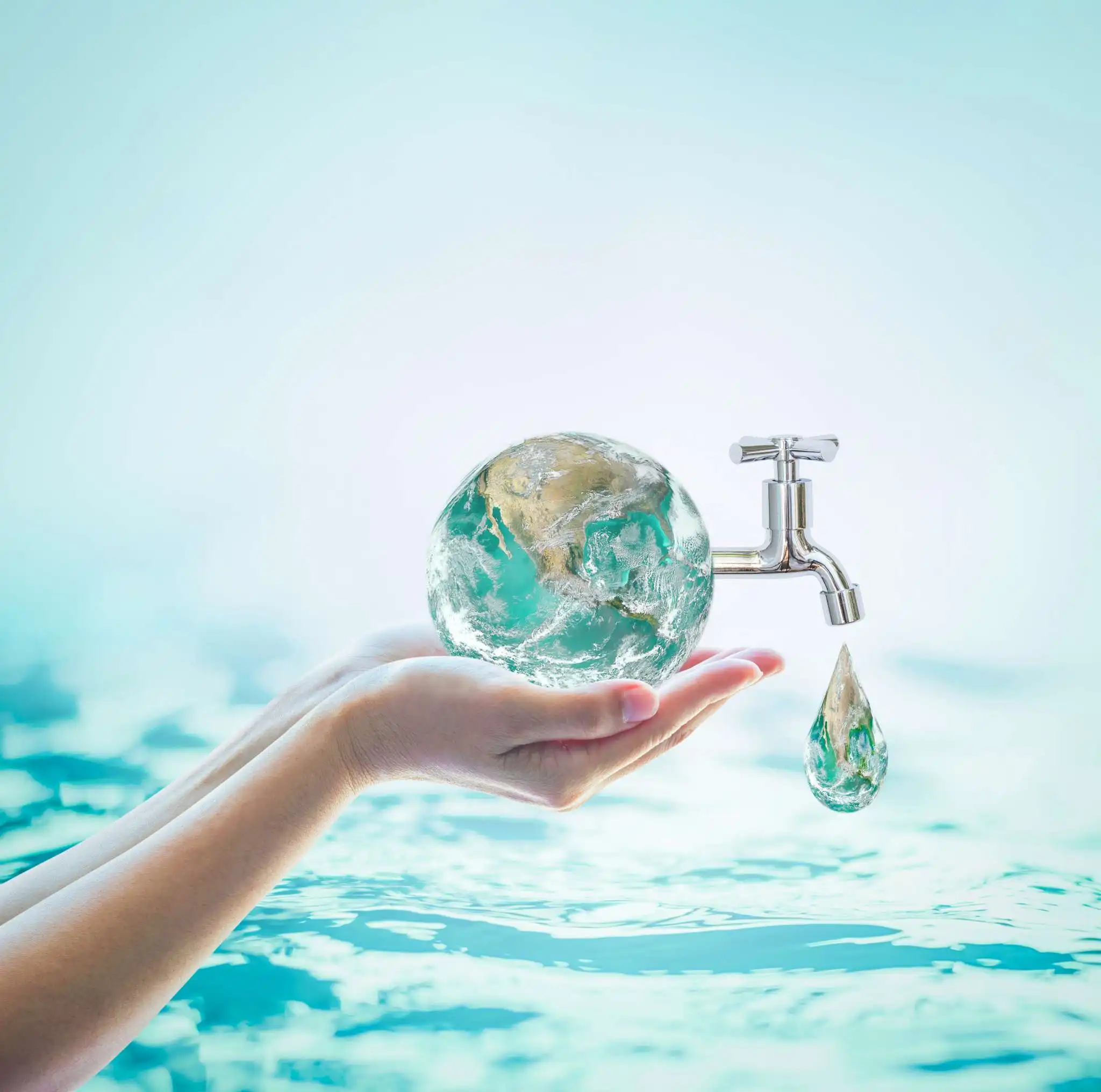
When you encounter a water issue in an urban apartment, your first instinct is likely to call the landlord or property manager. However, in major cities like New York and…

If you live in a multi-level home or a duplex, you’ve likely noticed a frustrating technical quirk: the kitchen sink on the first floor has incredible pressure, but the master…

When a major construction project begins on your block—whether it is a new luxury high-rise or a standard street-main replacement—most residents worry about the noise and the dust. However, for…
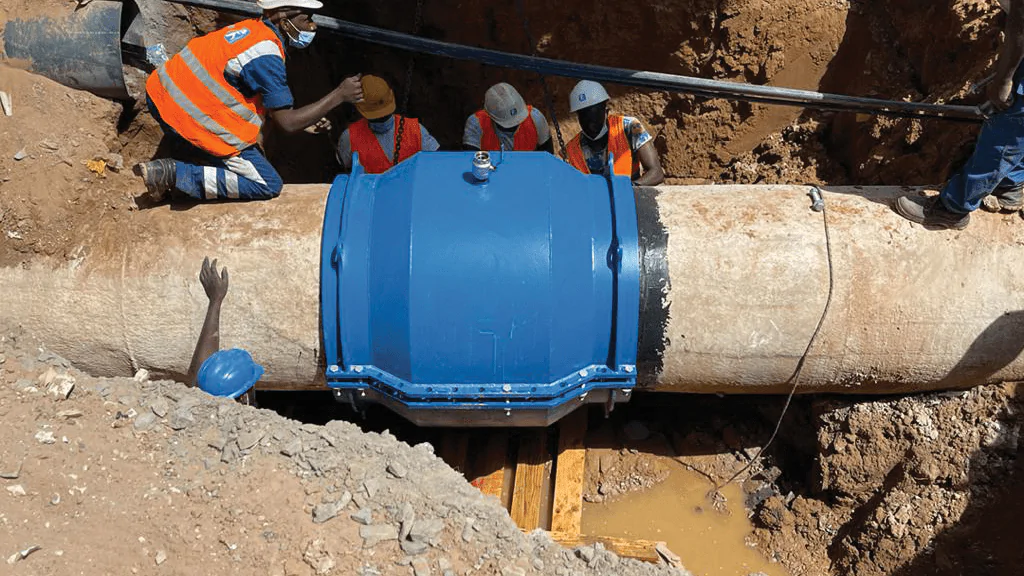
When a water main breaks or is repaired in a major city like New York or Philadelphia, the localized disruption is intense. But for many residents, the real frustration begins…
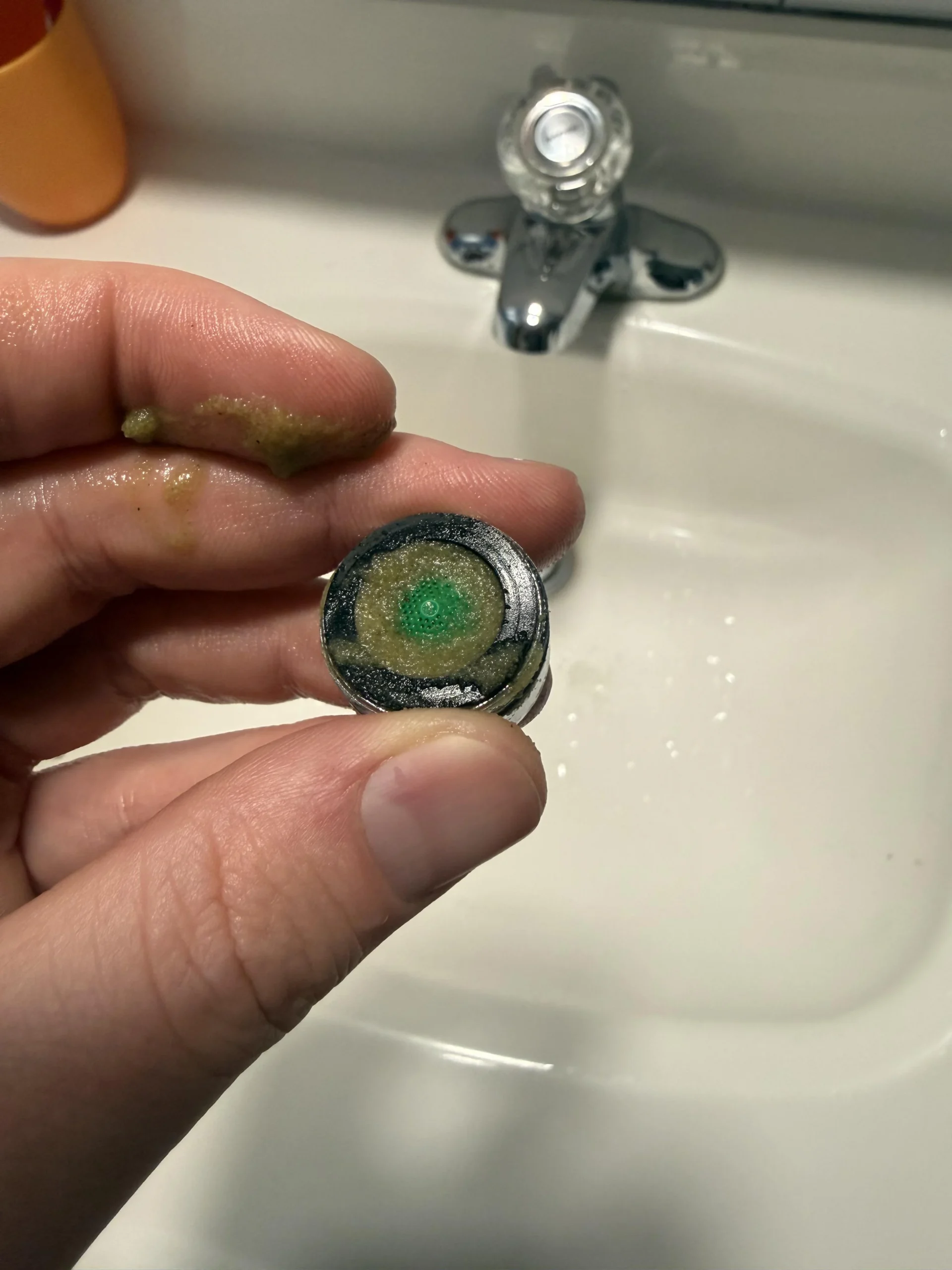
Most residents never see the inside of their faucet’s aerator until the water pressure drops to a trickle. However, that small mesh screen is the most valuable diagnostic tool in…

The “First-Draw” of the morning is the most honest moment in a home’s plumbing lifecycle. When you turn on your tap after 6 or 8 hours of inactivity, the water…
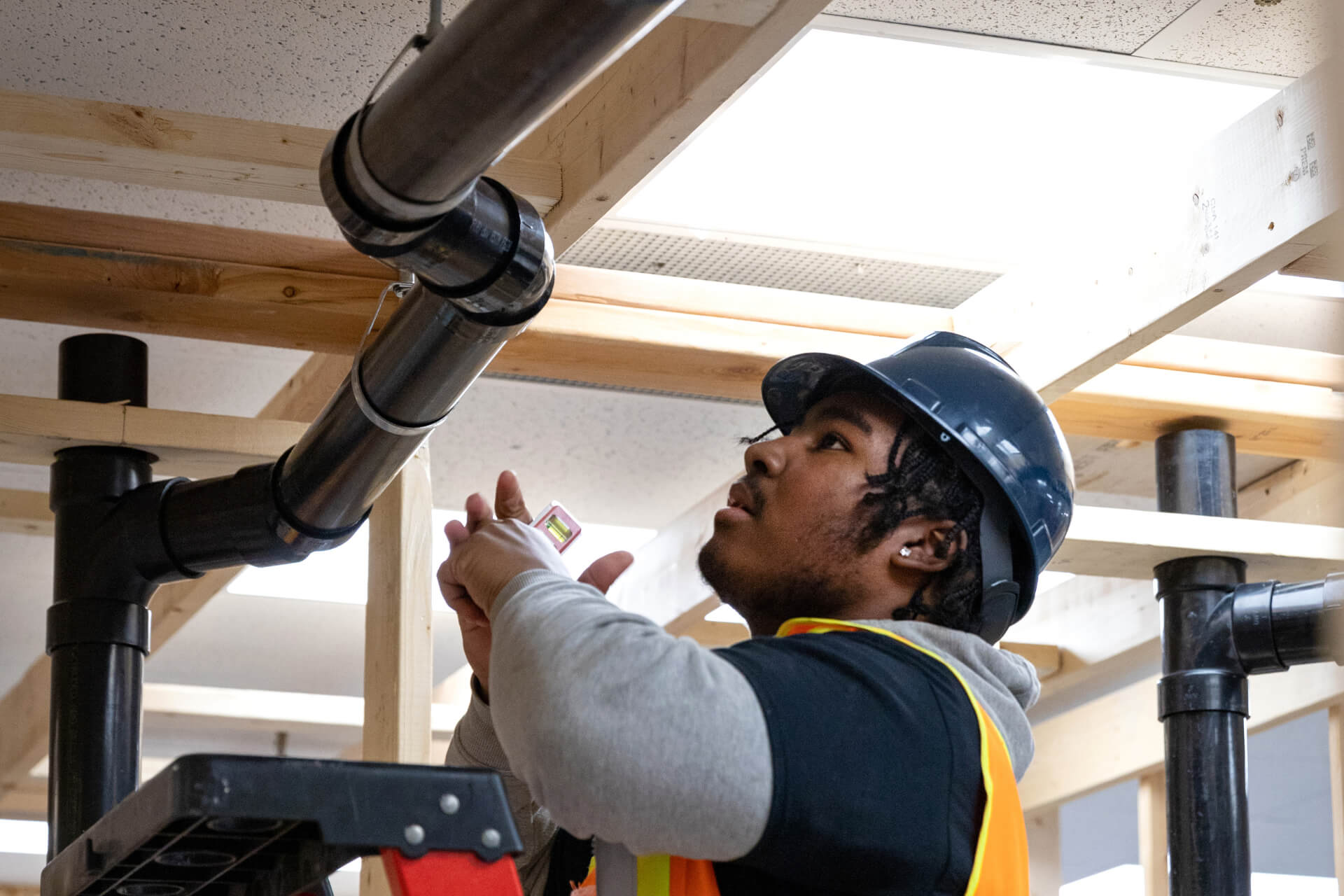
When searching for an apartment in a city like New York or Jersey City, “Updated Kitchen” is a primary selling point. Modern stainless steel appliances, granite countertops, and luxury faucets…

In a multi-story building, water does not just “flow” to your apartment; it is engineered to reach you against the force of gravity. The backbone of this engineering is the…

When we think of “dirty” water, we usually imagine mud or rust. However, the most common cause of clarity issues in modern homes is actually “mineral scale”—a white, chalky substance…

If you live in an older apartment or a historic home, you’ve likely noticed a peculiar pattern: when you turn on the water in the morning, the bathroom sink might…
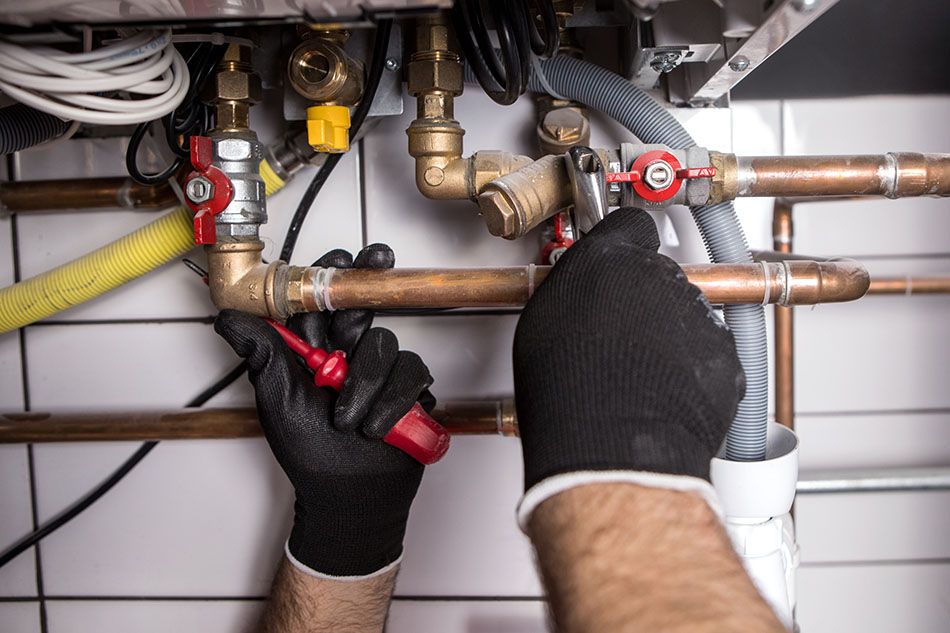
One of the most persistent myths in home utility management is that all water issues originate from the city. In reality, a water problem in an urban apartment can originate…
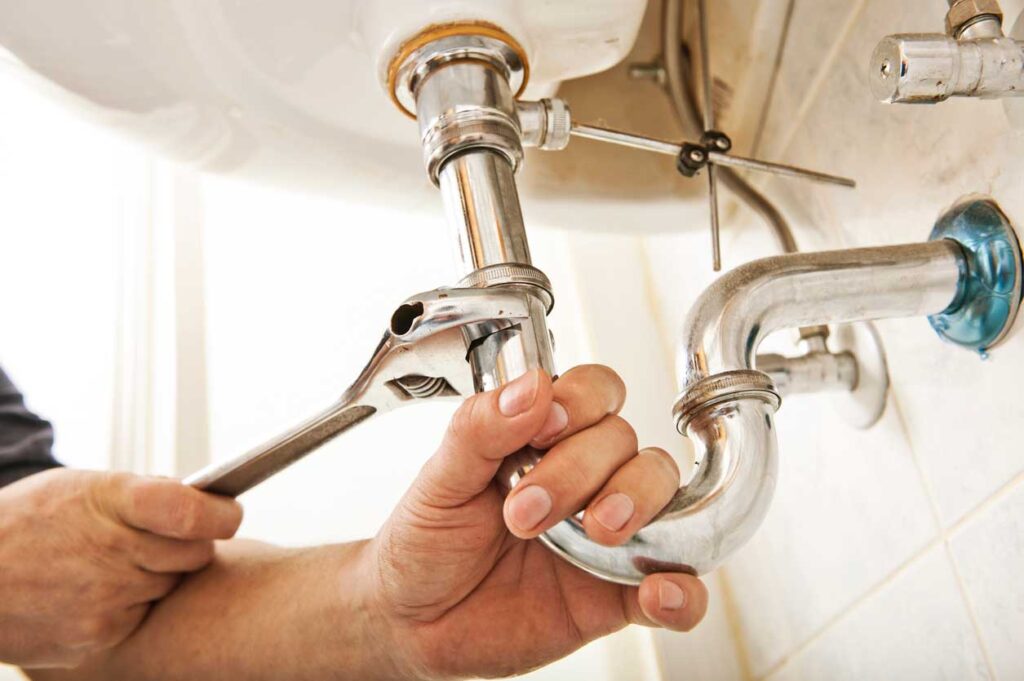
In the world of urban plumbing, diversity is not always a strength. Many older buildings in New York and New Jersey are home to “mixed metal” plumbing systems—where original galvanized…
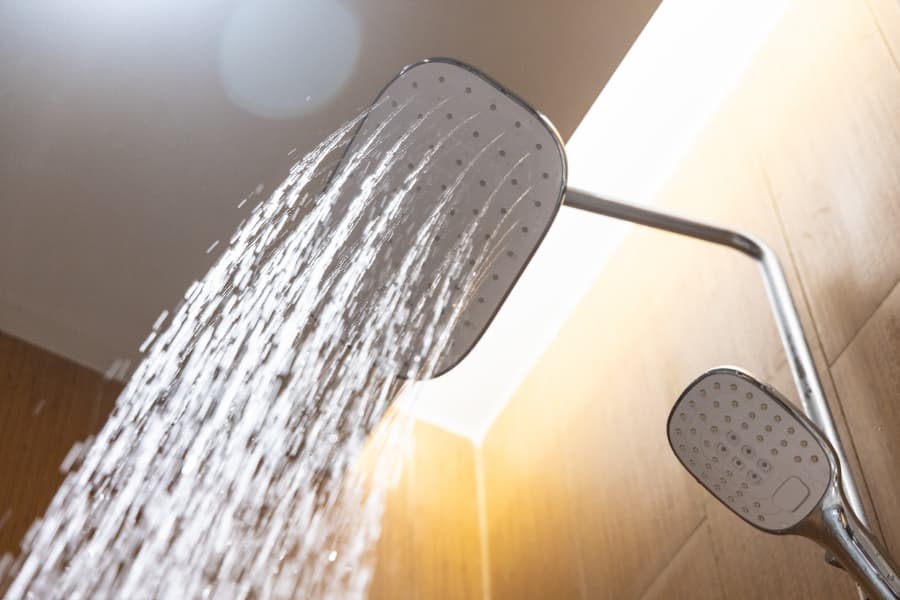
For many apartment dwellers, the most frustrating part of the day is the “shower dance”—constantly adjusting the handle as the water alternates between freezing and scalding. While most people blame…

In the historic neighborhoods of Brooklyn, the Bronx, and Jersey City, many buildings constructed between 1910 and 1960 still rely on their original “galvanized” plumbing. Galvanized pipes are made of…

When investigating a strange “rubbery,” “plastic,” or “medicinal” taste in tap water, researchers often look at the city source or the main building risers. However, there is a hidden component…
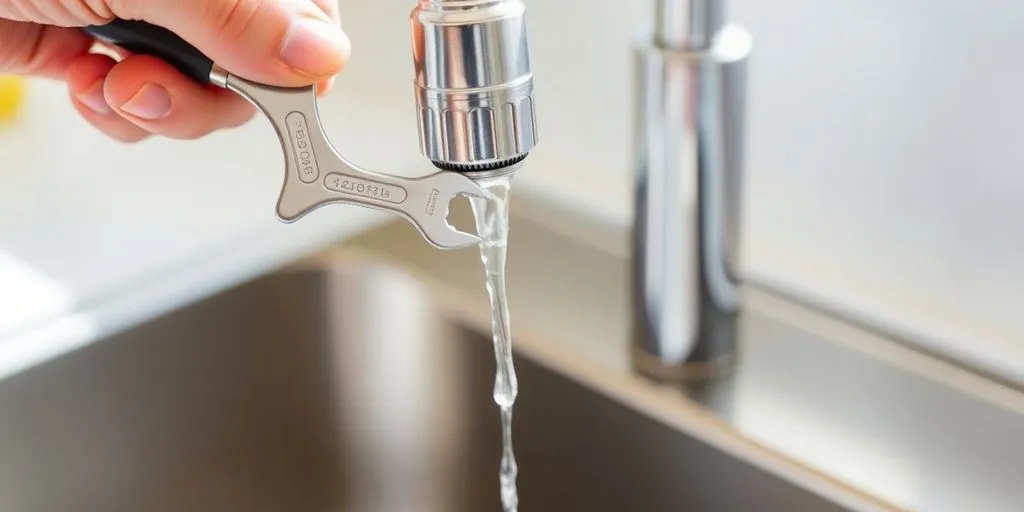
When most people experience poor water pressure, a strange odor, or fine “specks” in their water, they immediately blame the city or their landlord. However, in over 70% of cases,…
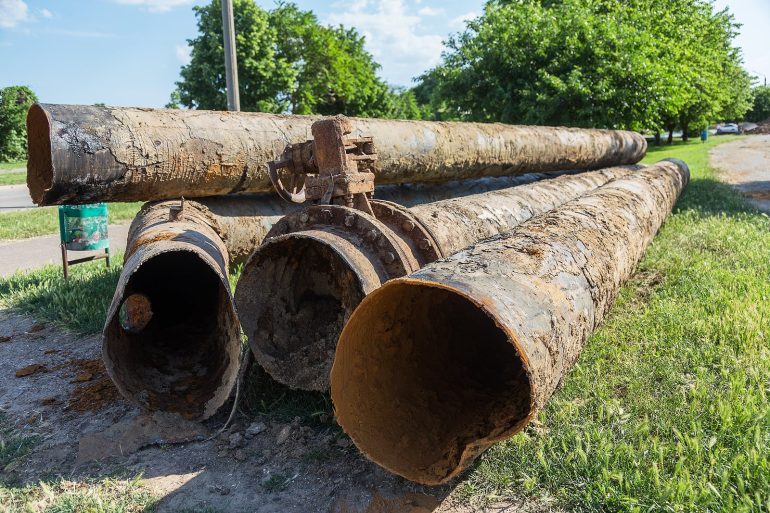
Brooklyn is currently undergoing one of the most intense construction and redevelopment phases in its history. From the luxury towers of Williamsburg to the revived brownstones of Bed-Stuy, the borough…

West Orange, New Jersey, is a community where historic 1920s architecture meets modern suburban development. However, many residents—particularly those in the older “valley” neighborhoods and the historic estates—experience a recurring…
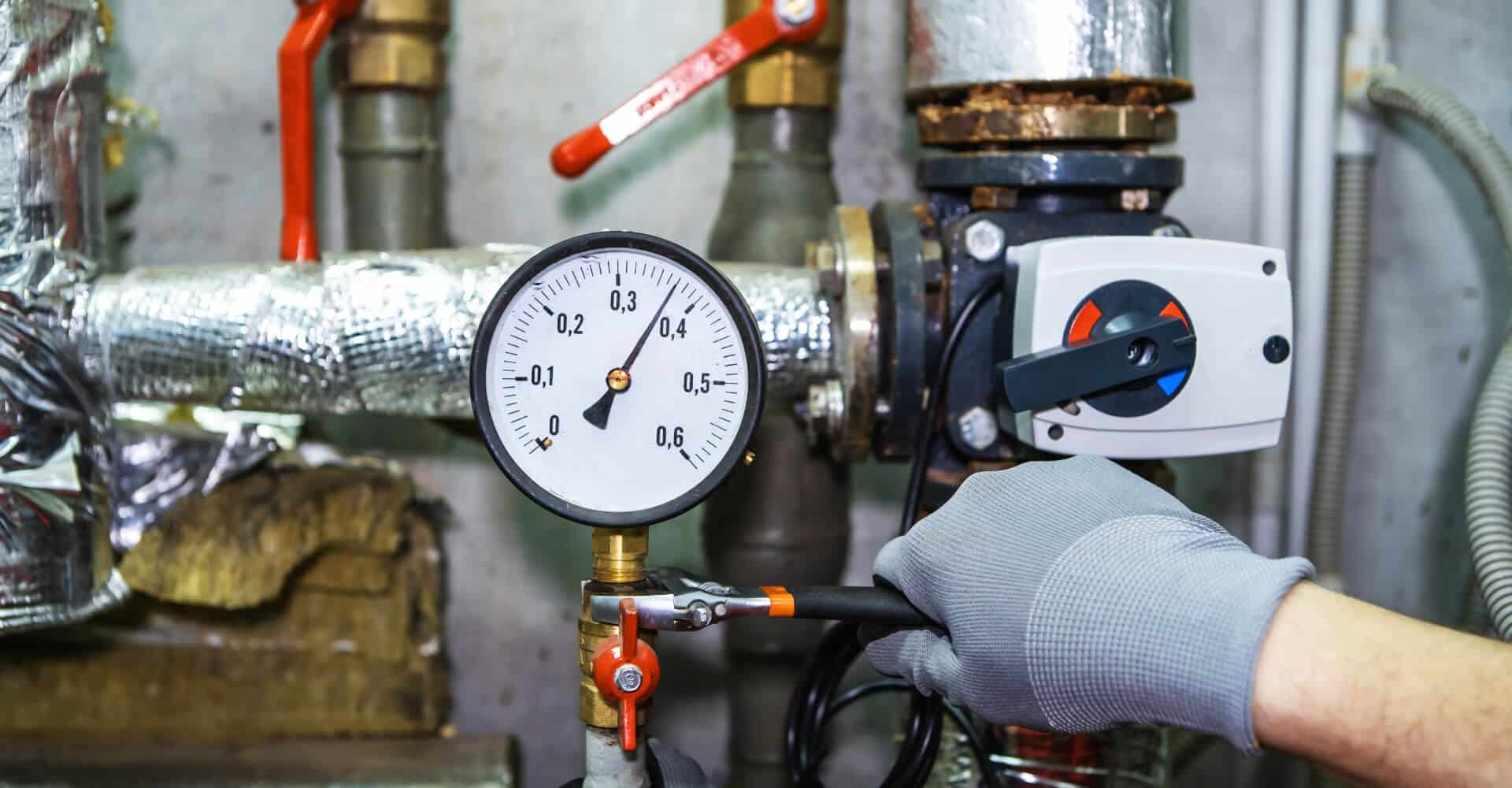
Montclair, New Jersey, is defined by its stunning hillside geography, stretching from the lowland borders of Glen Ridge up to the dramatic heights of the First Watchung Mountain. While this…

Fort Lee, New Jersey, often serves as a primary residential hub for those working across the Hudson River in Manhattan. However, the connection between these two locations isn’t just professional…

Hoboken is a vibrant, dense mile-square city with a “direct-feed” relationship with its water infrastructure. However, below the cobblestones and brownstones lies a water distribution network that is famous for…
Jersey City is a patchwork of distinct neighborhoods—from the glassy towers of the Waterfront and Exchange Place to the historic hills of Jersey City Heights and the historic brownstones of…
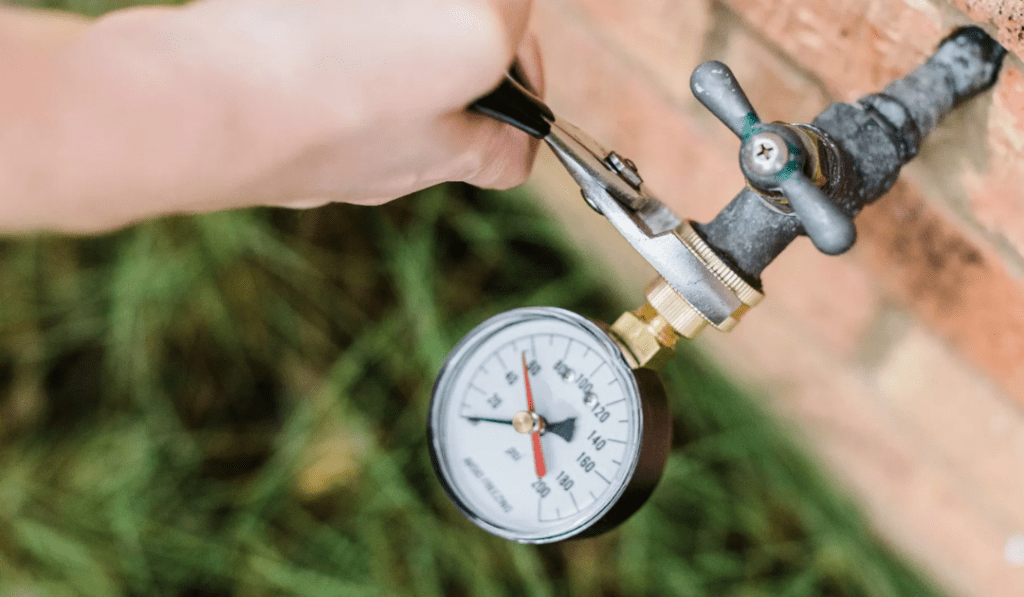
One of Harlem’s most defining characteristics is its varied topography—from the riverfront lowlands of East Harlem to the dramatic heights of Hamilton Heights and Sugar Hill. This geographic diversity creates…

Lower Manhattan—from the Financial District to the Seaport—is a dense, vertical landscape that is constantly being rebuilt. While residents are accustomed to the noise and dust of skyscrapers going up,…
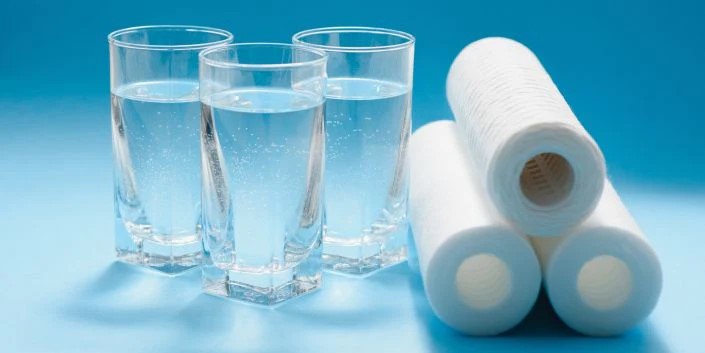
For many residents in the North Bronx and the historic areas above the Harlem River, the morning routine includes a frustrating sight: a brief burst of brown or yellow water…

For many Queens residents, the character of their tap water is a cyclical phenomenon. From the dense apartments of Long Island City to the garden communities of Forest Hills, the…

If you live in a classic Brooklyn brownstone, you probably appreciate the history and character of your neighborhood. However, that history includes a water distribution network that is often over…
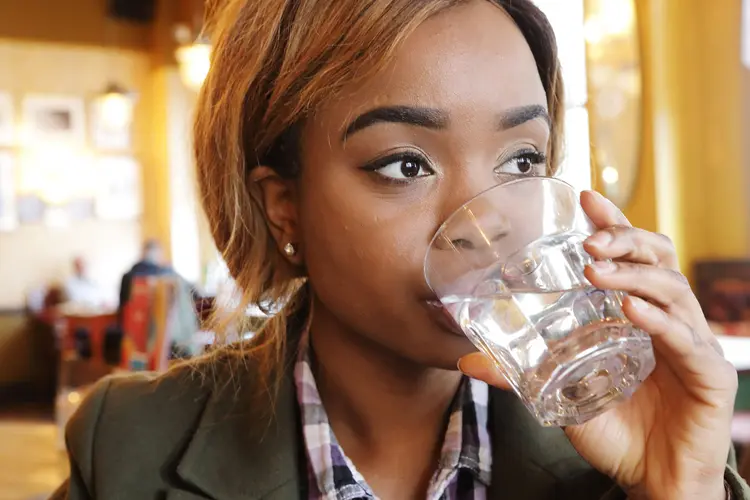
There is nothing quite as off-putting as turning on your kitchen sink to wash vegetables and being hit with a “swampy,” “rotten egg,” or “musty” odor. While your mind may…
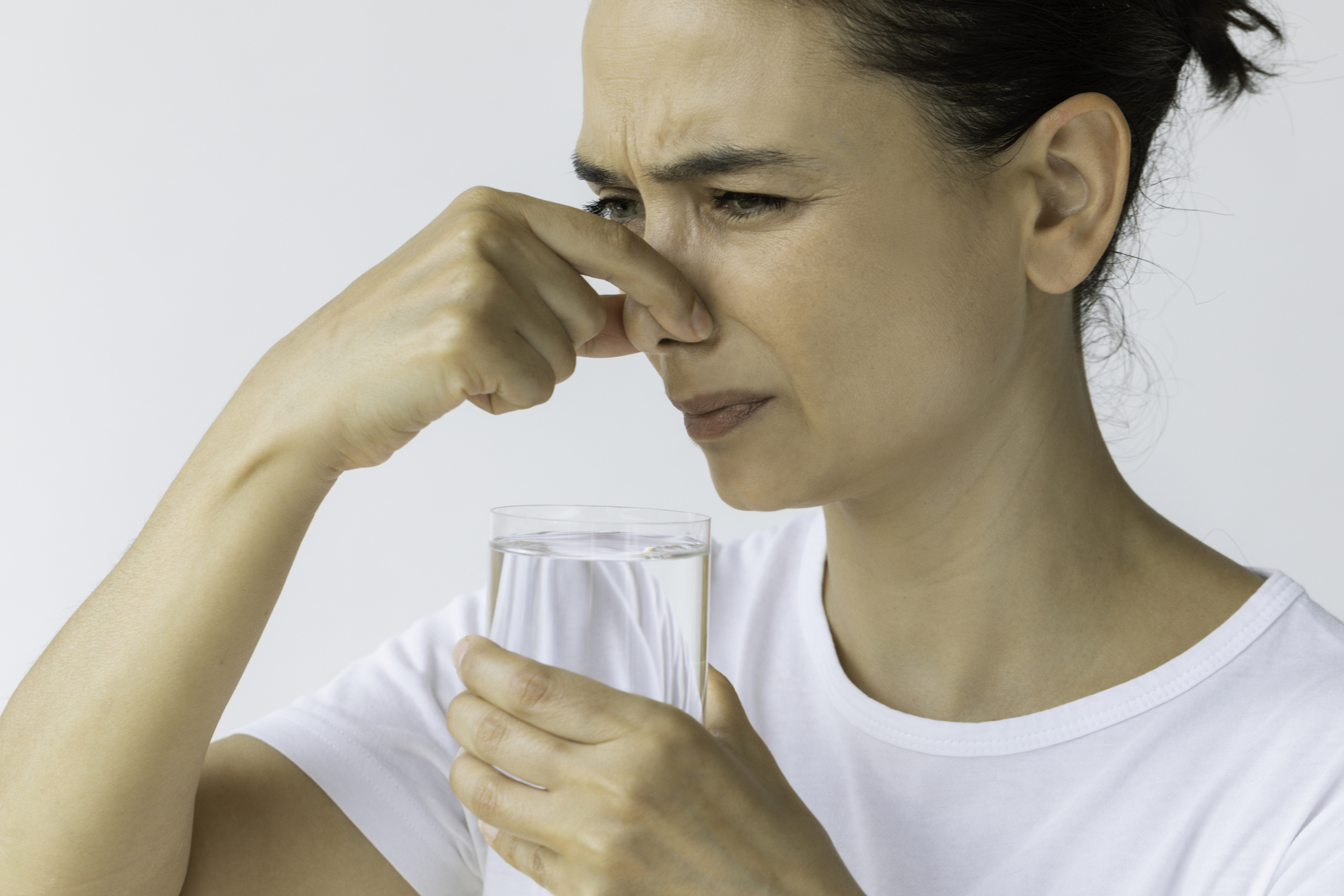
One of the most fascinating aspects of a large-scale water system is how it interacts with the natural environment. Many residents notice that after a heavy rainstorm, their tap water…
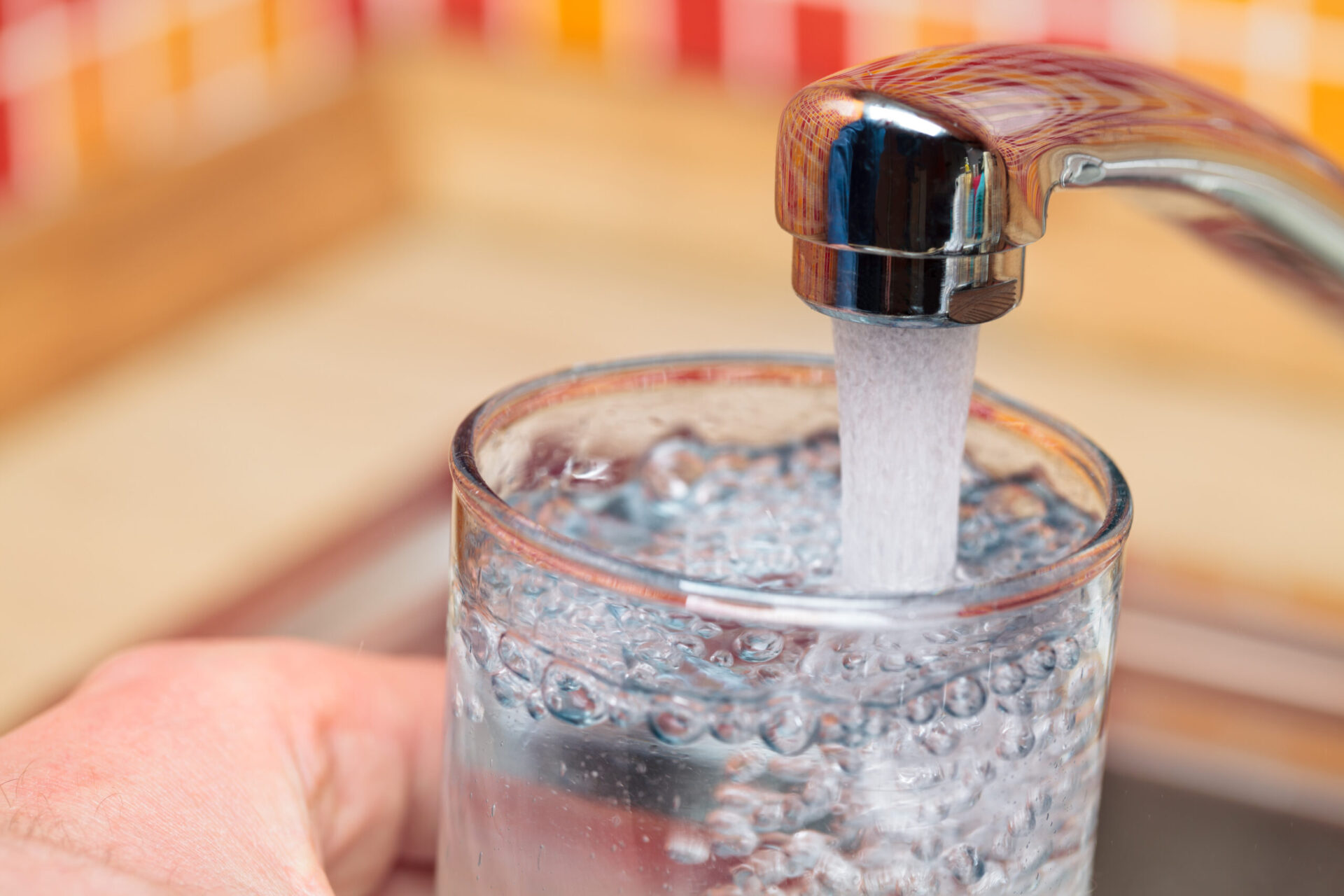
We’ve all been told that if the water looks a bit ‘off,’ we should just run it for a few seconds. But what happens when ‘a few seconds’ turns into…

We often think of water quality as something determined entirely by the city’s massive treatment plants. However, the final few inches of your water’s journey—the fixtures and valves in your…

Seeing discolored water come out of your faucet can be a source of immediate stress. Whether it’s a light yellow tint or a dark brown burst, the visual change is…

Most of us naturally reach for the cold water handle when we want a glass of water to drink. We instinctively feel that cold water is ‘cleaner’ or ‘fresher,’ and…

A sharp, metallic, or ‘iron’ taste in your drinking water is one of the most common ways residents discover that something is changing within their plumbing system. While it can…

There is perhaps nothing more alarming than turning on your bathroom sink in the morning and seeing a sudden, violent ‘burst’ of brown or reddish water before it quickly runs…

Few things are more unsettling than filling a glass of water and seeing a white, opaque, or ‘milky’ liquid instead of a clear stream. While our brains immediately jump to…

One of the most frequent complaints from urban residents is a sudden, sharp scent of chlorine emanating from the kitchen sink or shower. While the smell of a ‘swimming pool’…

Discovering that your tap water has taken on a distinct yellow or straw-colored tint can be a jarring experience. While your first instinct might be to worry about contamination, the…

If you have ever noticed that your first glass of water in the morning tastes slightly different than a glass poured at noon, you aren’t imagining things. Water taste is…