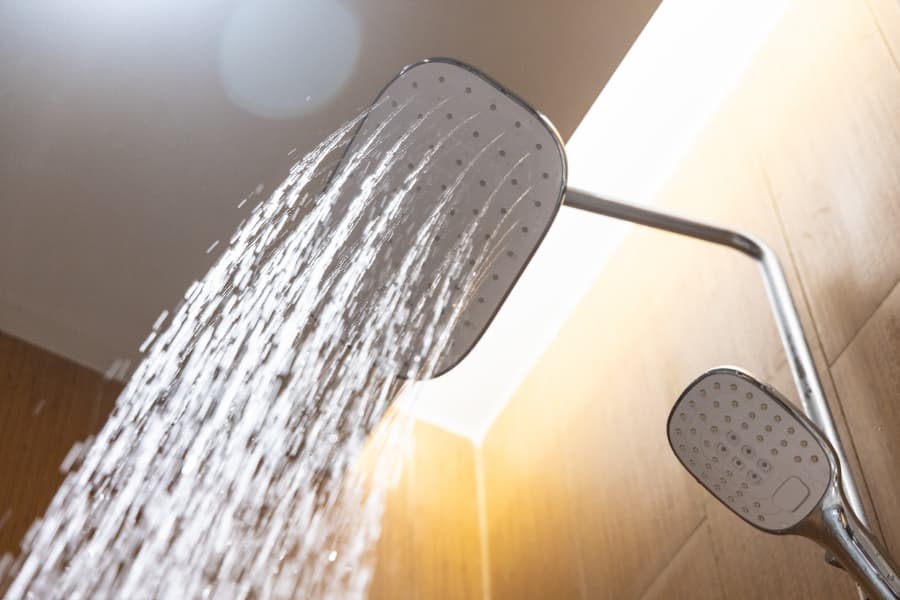
For many apartment dwellers, the most frustrating part of the day is the “shower dance”—constantly adjusting the handle as the water alternates between freezing and scalding. While most people blame their neighbors or the building’s boiler, the source of the problem is often the “shower body” (the mixing valve) itself. This complex mechanical component inside your wall is responsible for balancing two competing streams of pressurized water. When it fails, your entire utility experience suffers. Understanding the “shower body effect” is a core part of internal plumbing mastery.
The Physics of Pressure Balancing
Modern shower bodies are equipped with “pressure-balance” diaphragms or spools. These are designed to detect a drop in cold water pressure (like when someone flushes a toilet) and immediately restrict the hot water flow to match, preventing a “scald” event. However, these delicate moving parts are prone to “sticking” over time. If a piece of grit or calcium scale gets stuck in the spool, the valve cannot react fast enough to pressure changes. This results in the dramatic temperature swings that define older urban buildings. This is a classic fixture-side mechanical failure. The valve is essentially “frozen” in one position, leaving you at the mercy of every neighbor’s plumbing habits. Mechanical lag is the enemy of a comfortable morning.
The Role of the Integral Stops
Inside the wall, a shower valve may connect to integral stops, small shutoff valves designed to allow repairs or maintenance without turning off water to the entire building. Over time, these components can collect rust, sediment, and mineral scale, especially in older plumbing systems where corrosion and buildup are more common.
A partial blockage inside an integral stop can restrict the amount of water entering the mixing valve, which may cause reduced pressure or inconsistent flow when adjusting the shower temperature. While this type of issue is usually mechanical, visible corrosion or accumulated deposits can also provide clues about the overall condition of the plumbing system.
Aging components, corrosion, and sediment buildup may affect more than just water pressure. In some cases, deteriorating plumbing materials can contribute to changes in water quality by introducing metals or other particles into the supply. Drinking water lead analysis for the Bronx can help determine whether plumbing materials, corrosion, or aging components are affecting water safety.
Understanding the difference between a mechanical restriction and a water quality concern allows homeowners and property managers to address problems more effectively. Professional testing provides the data needed to identify potential contamination risks and make informed decisions about plumbing maintenance and repairs.
Sediment Scoring and Seal Integrity
The internal seals of a shower body are made of high-grade rubber or silicone, but they are not immune to the abrasive grit found in city water. Every time you turn your shower handle, fine rust particles (tuberculation) act like sandpaper on these seals. Over five to ten years, this scoring creates microscopic pathways where hot and cold water can mix prematurely. This results in a “lukewarm” maximum temperature and a persistent drip from the showerhead even when the handle is off. Fixture wear is a linear process that accelerates with poor building filtration. At Know Your Tap, we recommend regular cartridge replacements to maintain peak performance.
The Impact of Sediment and Tuberculation
Because the shower body is often the furthest point of use on an apartment’s branch line, it acts as a “sediment trap.” The fine rust (tuberculation) and mineral particles dislodged from the building risers travel right into the internal ports of the shower valve. These particles score the rubber seals and clog the small “balancing holes” inside the cartridge. This not only causes temperature fluctuations but can also lead to mysterious “phantom pressure” issues, where the bathtub has great pressure but the shower head barely trickles. You can find more on this in our plumbing diagnostic guide at Know Your Tap. Sediment is the silent assassin of modern luxury shower systems. Clean water starts behind the wall.
Cross-Flow and “Ghost” Temperature Hits
A failing shower body can also cause “cross-flow.” This is when the internal seals of the valve degrade to the point where they allow high-pressure hot water to leak into the cold-water line even when the shower is off. This results in your kitchen sink having “warm” cold water for several minutes before it turns cold. At Know Your Tap, we identify this as a primary reason for complaints about “stale” or “metallic” cold water. If you have to run your cold water for three minutes to get a cold drink, your neighbor’s (or your own) shower body is likely the culprit. This is a primary focus of our water quality identification guide. Cross-flow is the ultimate invisible plumbing bug. Your shower affects every other tap in your home.
Conclusion
If your shower is a roller coaster of temperature and pressure, look into the wall behind the handle. The shower body is a mechanical marvel that is easily defeated by the grit and scale of an urban water system. By understanding how these valves balance pressure and where they fail, you can take control of your morning routine and enjoy a consistent, safe experience. Know your valves, know your building, and always Know Your Tap. Stability is just a cartridge replacement away. At Know Your Tap, we are dedicated to helping you find the peace and quiet you deserve in your own home. Your morning ritual is worth the technical investment.