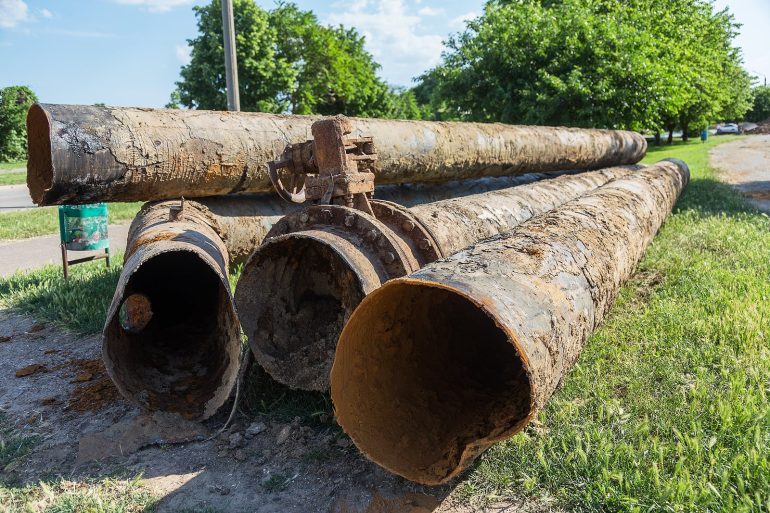
Brooklyn is currently undergoing one of the most intense construction and redevelopment phases in its history. From the luxury towers of Williamsburg to the revived brownstones of Bed-Stuy, the borough is being physically transformed. However, this progress puts an immense technical strain on the subterranean infrastructure—specifically the aging water mains that serve the community. For residents of older buildings, this boom often translates into sudden, “phantom” water issues. Understanding this relationship is a key part of urban infrastructure awareness.
The Impact of Seismic Vibrations
The primary way construction affects your tap is through vibration. When a developer across the street uses heavy machinery for pile driving or foundation excavation, they create seismic waves that travel through Brooklyn’s soil. Many of the water mains in these neighborhoods are over 100 years old and made of brittle cast iron. These vibrations physically shake the pipes, dislodging the internal layer of rust and mineral scale (tuberculation). This cloud of iron particles then travels into the service lines of the closest buildings, resulting in “brown bursts” even if no work is being done on your specific block. This is a primary example of construction-induced water quality changes. The ground itself acts as a massive amplifier for these infrastructure-shaking events.
Main Taps and Pressure Divergence
Every new 40-story building in Brooklyn requires a massive new water connection. To establish this, utility crews perform a “wet tap,” drilling into the existing city main while it is under full pressure. This process inevitably forces metallic debris into the localized distribution grid. Furthermore, the new demand from these massive towers can alter the flow patterns for the entire neighborhood. If water that normally flowed one way is suddenly “pulled” in a different direction to serve a new high-rise, it creates turbulence that stirs up dormant sediment that has sat undisturbed for decades. Understanding these tap water basics helps you realize why your water changes whenever a new “neighbor” moves in. The neighborhood’s plumbing is a delicate zero-sum game of pressure and flow.
Foundational Drilling and Silt Intrusion
In Manhattan neighborhoods with active foundation drilling, excavation, or major construction projects, vibrations and ground movement can sometimes affect nearby aging water infrastructure. These disturbances may loosen rust, mineral deposits, or fine sediment that has accumulated inside older service lines and plumbing systems, leading to temporary gray, cloudy, or hazy water in surrounding buildings.
These changes are often highly localized, meaning only properties closest to the construction activity may experience noticeable effects. Factors such as pipe age, building connections, and the condition of internal plumbing can influence whether a property is affected. Keeping track of when discoloration begins, how long it lasts, and which fixtures are impacted can provide useful information when investigating the cause.
While temporary sediment movement may explain changes in appearance, visual signs alone cannot confirm whether harmful contaminants are present. Documenting the issue and arranging Manhattan lead contamination testing can help determine whether disturbed plumbing materials, aging service lines, or corrosion have affected water quality.
Professional testing provides reliable laboratory data that helps residents and property managers understand whether a construction-related event caused only temporary sediment disturbance or contributed to a larger water quality concern. This information supports informed decisions about maintenance, repairs, and protecting household water safety.
Back-Siphonage and Construction Breaks
The collision between heavy construction equipment and aging pipes often leads to localized water main breaks. When a main breaks, there is a sudden drop in pressure in the neighborhood. In an older Brooklyn building, this can create a “back-siphonage” effect, essentially sucking water backward out of your building’s pipes and into the street main. This can pull sediment and biological films from the bottom of your building’s plumbing into your drinking water lines. Following the repair, the intensive flushing required can further cloud the water for up to 48 hours. This is why EPA safety standards mandate a disinfection period following construction-related main failures. You can find more on this in our Brooklyn plumbing FAQ. Vigilance during local street work is the key to protecting your internal utilities.
Internal Plumbing Fragility in 2025
Many of Brooklyn’s historic brownstones still utilize original “lead-solder” or galvanized pipes. These materials have stood the test of time, but they are reaching their physical limit. The pressure surges and flow reversals caused by nearby redevelopment can “shock” these older pipes, leading to new leaks or a sudden increase in the metallic taste of the water. If you live in a historic neighborhood, the boom next door is essentially a “stress test” for your home’s internal utilities. At Know Your Tap, we provide the building plumbing basics you need to advocate for needed building-wide upgrades. Redevelopment isn’t just about what’s going up; it’s about what’s happening underground. Protecting your home’s historic integrity means protecting its modern utilities.
The Long-Term Impact of Construction Runoff
Construction isn’t just about the physical break of a pipe. It’s also about the chemical runoff from exposed building materials and site treatments. In high-density areas of Brooklyn, the storm drains and water lines are often in close proximity. High-intensity construction can lead to “transient pressure events” where external groundwater can be briefly pulled toward the drinking water lines. While the city’s filtration handles the bulk of this, the aesthetic impact—the flavor and the smell—can shift during the peak hours of a major local project. Staying informed about the local DOB (Department of Buildings) filings in your neighborhood is a smart move for the modern urban dweller.
Conclusion
Brooklyn’s redevelopment is a sign of a thriving borough, but it is also a technical challenge for the local water system. By understanding how vibrations, main taps, and pressure surges impact your home’s clarity, you can navigate these disruptions without unnecessary anxiety. Stay proactive with your filtration, know your neighborhood’s construction schedule, and always Keep Your Tap. Progress is inevitable, but clear water is your right. Know Your Tap and know your Brooklyn. Your home is a masterpiece; let’s keep its water just as perfect.