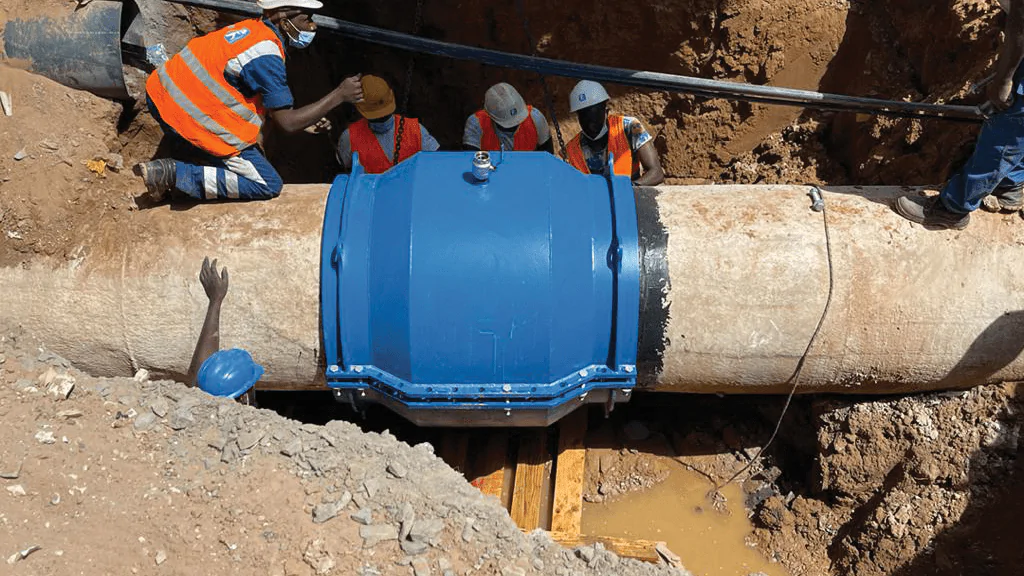
When a water main breaks or is repaired in a major city like New York or Philadelphia, the localized disruption is intense. But for many residents, the real frustration begins *after* the city says the work is finished. You turn on your tap and see brown water, or you find your shower pressure has vanished. The “System Recovery” period is the technical phase between the physical repair and the restoration of normal utility quality. At Know Your Tap, we specialize in “Recovery Mapping”—the process of understanding how long it actually takes for your home’s water to return to its peak. Understanding the “recovery timeline” is a vital part of modern urban utility education.
The First Hour: The Physical Surge
The first sixty minutes after the main valve is reopened are the most chaotic. This is when the “hydraulic shock” travels through the neighborhood. This surge of high-pressure water pushes out the air pockets and dislodges the “brittle layers” of rust (tuberculation) from the street mains. During this hour, you should not turn on your taps at all. Using water during the first hour of restoration is a recipe for clogged aerators and “Morning Brown” bursts. This is a classic mechanical surge event. The grid is essentially “burping” out the debris generated by the repair. Patience in the first hour saves hours of maintenance later.
The 2 to 6 Hour Window: The Cold-Water Flush
After the first hour, the neighborhood mains have stabilized, but your building’s internal pipes are now filled with the “tail” of the sediment plume. This is when you perform your primary flush. By running your cold bathtub faucet for 20 minutes, you are replacing the “construction water” with the new, clean supply from the reservoir. For most apartments, the water will run crystal clear by the end of this window. This is a primary topic in our urban plumbing FAQ and is documented by the EPA as the most effective “cleanup” phase. This is the period of maximum visual improvement. The highway is cleared; now it’s time to clear the driveway.
The 24 to 48 Hour Window: Thermal Dilution
While the cold water is clear, your hot water may continue to have a yellow or “tea-like” tint for up to 48 hours. This is because the sediment that was pulled into your building’s boiler or your individual water heater will settle at the bottom. It takes dozens of “cycles” of usage for this sediment to be diluted and flushed out through normal daily activities. This is why “it’s clear in the kitchen but brown in the shower” is a common Day-2 complaint. At Know Your Tap, we categorize thermal dilution as a linear process that cannot be rushed without a professional tank flush. Your hot water is the final frontier of recovery.
Day 3 to Day 7: The “Aesthetic Tail”
Even after the water is visually perfect, the “chemical signature” of the repair—a slight metallic taste or a “swampy” odor—can persist for up to a week. This is caused by the disruption of the “biofilm” (harmless microscopic life) inside the city pipes. It takes about 7 days of constant flow for the city’s chlorine residual to “reset” the system and neutralize these odors. This is a core part of our visual and safety identification guide. This “aesthetic tail” is harmless but annoying. Total restoration is a chemical process, not just a physical one. Stability is the final indicator of success.
The Permanent Impact: The Aerator Audit
One week after the repair, your recovery is not complete until you perform an “Aerator Audit.” The high-pressure surge of the first hour often fills your faucet filters with fine grit that will never “flush out” on its own. If your water pressure is lower than it was before the break, you must physically remove and clean your aerators. This is the final step in our building plumbing recovery guide. At Know Your Tap, we believe that comprehensive recovery is the only way to maintain the value of your home’s fixtures. The final recovery is a maintenance task, not a municipal one.
Conclusion
Recovery isn’t an event; it’s a week-long technical process. By recognizing the role of hydraulic surges, thermal dilution, and chemical resets, you can navigate the aftermath of a main break with confidence. Know your timeline, know your flush, and always Know Your Tap. Your home’s water quality is a reflection of local history; let’s make sure that history stays in the past. At Know Your Tap, we help you manage the clock and the flow for a clear future. A week of vigilance ensures a lifetime of quality.