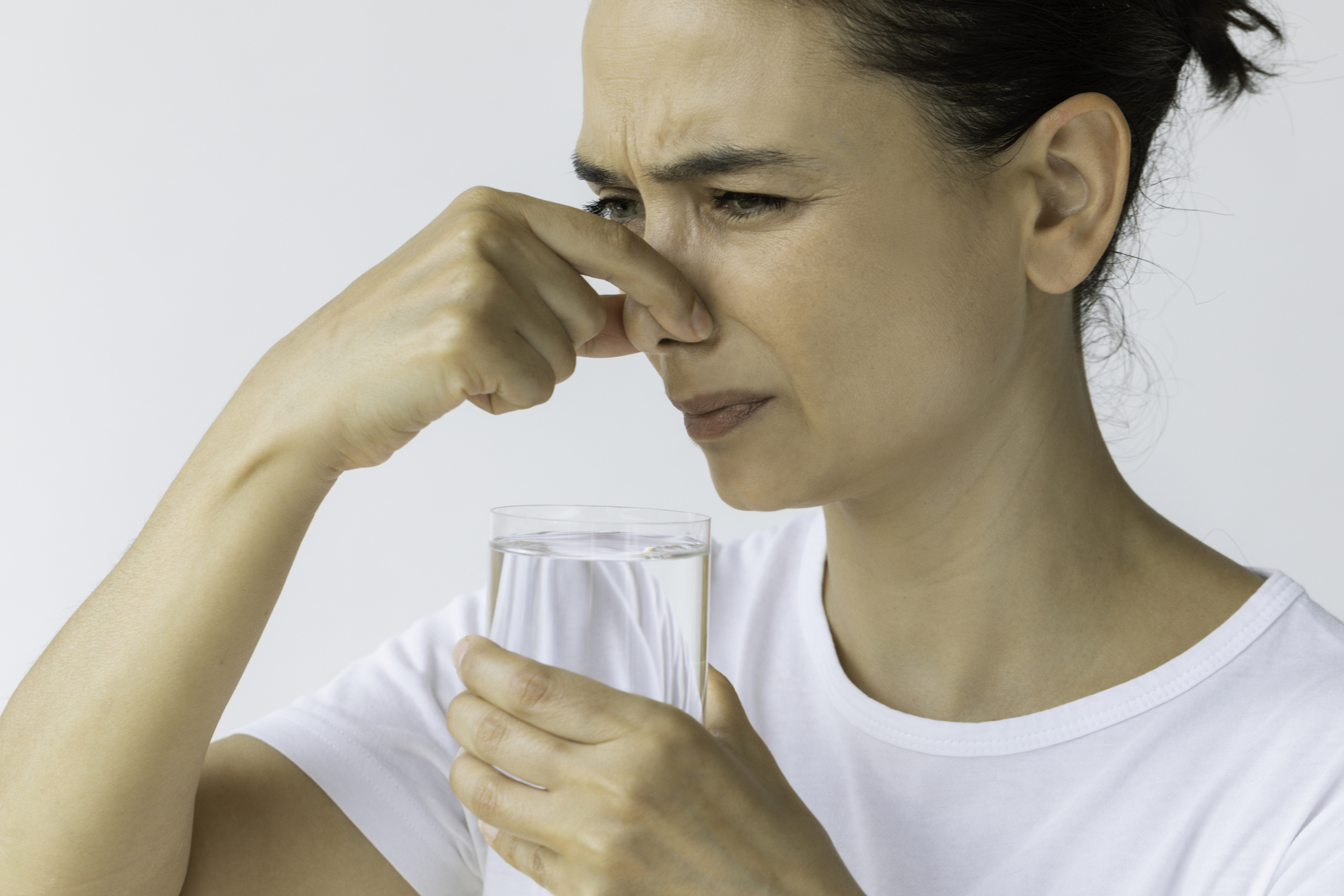
One of the most fascinating aspects of a large-scale water system is how it interacts with the natural environment. Many residents notice that after a heavy rainstorm, their tap water takes on a distinct “earthy,” “musty,” or “dirt-like” scent. While this can be alarming, it is usually a well-understood environmental phenomenon rather than a sign of a sewage leak or toxic contamination. Understanding the link between weather and water quality is a foundational part of our water changes and causes guide. Most communities experience these subtle shifts as a natural response to the ecological rhythms of the watershed area.
The Impact of Watershed Runoff
Municipal water systems typically draw from massive upstate reservoirs that collect rainwater from thousands of acres of protected forest and mountains. During a heavy rain event, the water rushing over the forest floor picks up organic matter, such as decaying leaves, soil particles, and even microscopic algae. This process is known as “runoff.” As this organic-rich water enters the reservoir, it increases the total organic carbon (TOC) levels in the raw water supply. Even after advanced filtration and disinfection at the treatment plant, trace amounts of these organic compounds can remain, imparting a subtle “forest-like” scent to the water reaching your faucet. This is a classic example of city-side environmental factors affecting your home experience. Runoff acts as a delivery system for the smells of the earth directly into the municipal supply lines.
Geosmin and MIB: The Biological Components
The specific chemical responsible for the “earthy” smell is often a compound called Geosmin (literally “earth smell”). Geosmin is a byproduct of certain types of soil-dwelling bacteria and blue-green algae that become more active when nutrients are flushed into a reservoir by rain. Another similar compound is 2-Methylisoborneol (MIB). Human noses are incredibly sensitive to these compounds, able to detect them at concentrations as low as 5 to 10 parts per trillion. To put that in perspective, that is the equivalent of one drop of water in an Olympic-sized swimming pool. The EPA classifies these as “aesthetic” issues because they do not pose a health risk, but they certainly alter your perception of your tap water’s quality. Despite their intensity, these molecules are non-toxic and biodegradable through natural filtration processes.
Thermal Stratification and Mixing
In addition to runoff, heavy rain can trigger a process called “mixing” in a reservoir. During the summer, a reservoir becomes stratified, meaning the warm water sits on top and the cold, nutrient-rich water sits at the bottom. A large, cold rainstorm can suddenly cool the surface water, causing it to sink and forcing the bottom-dwelling organic matter to rise to the intake valves. This sudden “turnover” of the reservoir’s vertical layers can send a concentrated dose of earthy-smelling compounds into the distribution grid. This is why you might notice the smell even if the rain was located hundreds of miles away in the mountains, rather than in your local neighborhood. Understanding these plumbing basics on a macro scale helps demystify the sensory changes you experience. Reservoir physics is a complex field that dictates the visual and olfactory character of your daily utilities.
How Rain Impacts Chlorine Reaction
When runoff increases the organic material in the water, the city treatment plants often have to adjust their chlorine dosage to maintain safety. Chlorine reacts with organic matter, and sometimes that reaction process creates its own unique “stale” or “musty” odor before the water is fully stabilized. Furthermore, if you live in an aging building with a roof tank, the humidity caused by heavy local rain can affect the air vent on the tank, occasionally allowing damp air to interact with the stored water. This creates an “odor trap” that makes the earthy smell seem even more intense in your apartment than it is in the street mains. This is a common topic in our frequently asked questions section. Atmospheric humidity can amplify the volatile nature of these organic compounds, making them much more noticeable during the damp aftermath of a New York storm.
Soil Chemistry and the Spring Thaw
Soil composition and organic material within a watershed can influence seasonal changes in tap water taste and odor. Areas containing clay, peat, rocky deposits, or other natural materials may contribute different earthy characteristics when heavy rainfall or spring snowmelt carries naturally occurring compounds into reservoirs and source water systems.
These temporary changes can continue while the source-water ecosystem adjusts and stabilizes. In many cases, seasonal odors are caused by natural processes and do not indicate that the water is unsafe. However, noticeable changes that persist or are accompanied by other warning signs should be evaluated further.
While earthy or musty tastes may be linked to natural source-water conditions, metallic flavors, blue-green staining around fixtures, or signs of corrosion may indicate that plumbing materials are affecting water quality. Certified copper water testing in Manhattan can help determine whether elevated copper levels are present and whether corrosion within pipes, fixtures, or building plumbing is contributing to the issue.
Professional water testing provides a clearer understanding of whether changes originate from the source water or from a property’s internal plumbing system. By identifying the cause, residents and property managers can take targeted steps to protect water quality and address potential concerns before they become more serious.
The Physics of Odor Volatility
Why does the smell seem stronger in the shower? This is due to the physics of volatility. As the water is heated and aerosolized through a fine-mist showerhead, the organic compounds like Geosmin are released from the liquid into the steam. This concentrates the scent in the enclosed space of your bathroom, making it feel much more intense than a stagnant glass of water on your kitchen table. Most residents report that the smell dissipates quickly once the bathroom is well-ventilated. This discrepancy between the liquid and the aerosolized state is an important diagnostic clue when determining if an odor is truly building-wide or just a fixture-specific biological event in your shower drain.
Flushing and Filtration Solutions
If the earthy smell is bothersome, there are several simple ways to clear your palate. First, running your cold water tap for thirty seconds can bring in “fresher” water that hasn’t sat in your building’s potentially humid risers. Second, chilling your water in a glass pitcher significantly reduces your ability to smell the Geosmin, as cold temperatures “lock” the volatile odors into the liquid. For a permanent solution, a standard charcoal or carbon-based filter—whether at the faucet or in a pitcher—is exceptionally effective at removing organic odor-causing compounds. If you are concerned that the smell is localized to your specific apartment, visit our visual and odor identification guide to rule out internal plumbing issues like failing rubber washers. Knowledge is the most effective tool for managing your home’s infrastructure and comfort.
Conclusion
An earthy smell after a rainstorm is your tap water’s way of telling you a story about the weather in the mountains. While it might not be the refreshing scent you expect, it’s a testament to the natural origins of your city’s supply. By understanding the role of Geosmin, runoff, and reservoir turnover, you can feel confident that your water remains safe even when its “personality” changes. At Know Your Tap, we believe that connecting you to the natural science of your utilities is the best way to ensure home comfort. If the smell persists for more than a week without further rain, don’t hesitate to contact our team for a deeper diagnostic investigation. Your water is a living part of the local geography, and we are here to help you understand every drop.