One of Harlem’s most defining characteristics is its varied topography—from the riverfront lowlands of East Harlem to the dramatic heights of Hamilton Heights and Sugar Hill. This geographic diversity creates a unique technical challenge for the city’s water infrastructure. If you’ve ever wondered why your friend on St. Nicholas Avenue has different water pressure than someone on 125th Street, the answer lies in the physics of elevation and the engineering required to move water uphill. Understanding these “Harlem Heights” issues is a core part of tap water education. Your vantage point on the island dictates the pressure at your sink.
The Gravity vs. Street Main Power Struggle
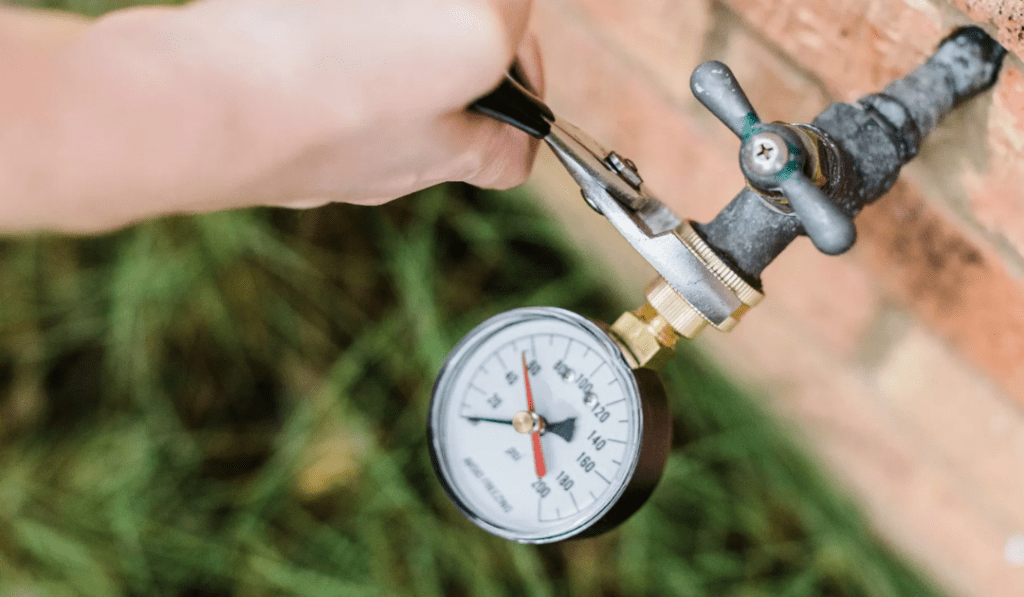
The city’s primary water mains are pressurized, but that pressure has a limit. For every foot you travel upward, you lose approximately 0.43 pounds per square inch (PSI) of water pressure. In Harlem’s “hill” neighborhoods, like Morningside Heights, the street level is significantly higher than the primary distribution mains. This means that by the time the water reaches the sink on the first floor of a building on the hill, it has already lost much of the “push” it had at the river level. To compensate, these buildings must rely on mechanical booster pumps to reach the upper floors. This is a classic example of geographic infrastructure necessity that shapes the urban experience in Upper Manhattan.
Harlem’s Historic Roof Tank System
Because of the elevation challenges, Harlem is home to thousands of historic wooden and steel roof tanks. These tanks are filled by pumps in the basement and then use gravity to provide pressure to the floors below. If you live on the top two floors of an older Harlem building, your water pressure is determined entirely by the height of the roof tank relative to your faucet. If the tank is only ten feet above your shower, your pressure will be significantly weaker than someone living on the first floor. This “top-floor pressure drop” is a frequent topic in our Upper Manhattan plumbing FAQ and is a well-known quirk of historic high-elevation living. The charm of a top-floor view often comes with a trade-off in shower strength.
Booster Pump Reliability in High-Elevation Buildings
In Harlem’s modern high-rises and the landmarked apartments along Convent Avenue, water pressure is maintained by “constant pressure” booster pump systems. These pumps sense when you turn on the tap and ramp up their speed to maintain a steady flow. However, because these neighborhoods are at a higher base elevation, the pumps have to work significantly harder than those in the Harlem flats. This leads to more frequent mechanical wear and tear, resulting in “phantom” pressure fluctuations. If your pressure suddenly drops and then “rebounds,” you are seeing the internal building pumps fighting against Harlem’s vertical geography. You can find more on this in our building plumbing basics guide. Mechanical fatigue is a reality for the motors serving The Heights.
The Physics of Siphonage in Hill Neighborhoods
Pressure loss caused by a major water main break can create backflow or siphonage within nearby plumbing systems. When water pressure drops, non-potable water from appliances, hoses, or other cross-connections may be drawn into drinking water lines if proper backflow prevention is not installed. This risk can affect homes and multi-unit buildings throughout Brooklyn. After a significant pressure-loss event, laboratory testing for lead in Brooklyn drinking water can help determine whether disturbed pipes or plumbing materials have affected water safety.
The Relationship Between Pressure and Clarity
Interestingly, the higher pressure required for Harlem’s hills can also impact your water’s clarity. High-pressure streams move through the city’s aging cast-iron mains with more “scouring” force than low-pressure streams. This makes the high-elevation portions of Harlem more prone to dislodging fine rust sediment during periods of high demand. If you live on “The Heights,” you may notice more frequent bursts of yellow water than your neighbors in the lowlands. This is not necessarily a sign of a leak, but a side effect of the engineering required to serve your neighborhood properly. This phenomenon is a primary example of pressure-induced water quality changes. Physics never takes a break, and it remains active in every riser in the neighborhood.
Conclusion
Harlem’s heights are part of its beauty, but they also define its utility challenges. From the gravity tanks of Hamilton Heights to the high-pressure mains of the flats, your water’s journey is a feat of engineering. By understanding how elevation impacts your pressure and clarity, you can better manage your home’s infrastructure and enjoy everything that Upper Manhattan has to offer. Know your hill, know your home, and always Know Your Tap. At Know Your Tap, we believe that every resident—regardless of their building’s height—deserves a clear, strong, and consistent water supply.