Montclair, New Jersey, is defined by its stunning hillside geography, stretching from the lowland borders of Glen Ridge up to the dramatic heights of the First Watchung Mountain. While this elevation provides incredible views, it also creates a unique challenge for the local water distribution architecture. If you’ve ever wondered why your shower pressure in Upper Montclair is different from your neighbor’s downtown, the answer lies in the physics of elevation. Understanding these “Montclair Heights” issues is a core part of local utility education.
The 0.43 PSI Rule
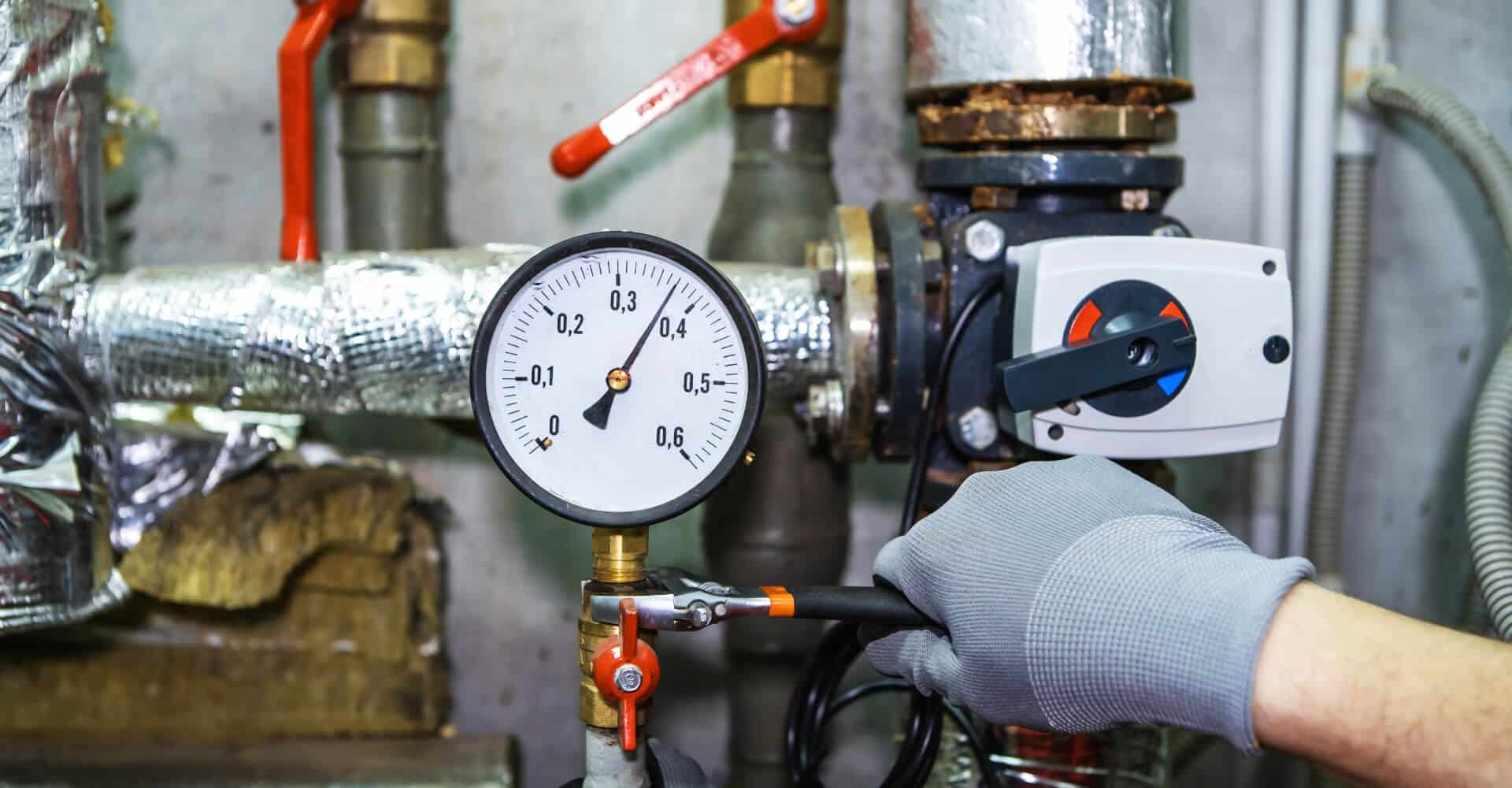
The cardinal rule of water physics is that for every foot you travel upward, you lose 0.43 pounds per square inch (PSI) of pressure. Montclair’s elevation change spans several hundred feet. This means that water pushed from the primary distribution mains at the bottom of the hill would naturally arrive at a home in Upper Montclair with almost zero pressure if not for specialized engineering. To counter this, the town is divided into “pressure zones” served by booster stations and tanks. However, transition areas between these zones often experience “pressure drift,” where the flow fluctuates as the sensors adjust to shifting demand. This is a classic geographic infrastructure event. Even a small elevation shift can be the difference between a luxury shower and a mere trickle.
The Impact of “High-Service” Tanks
To serve the highest parts of Montclair, the water authority relies on “High-Service” storage tanks. These tanks use gravity to provide pressure to the surrounding neighborhood. While efficient, this system means that your water pressure is determined entirely by how much water is currently in the tank. During a heatwave, when thousands of residents are watering their lawns simultaneously, the tank levels drop, and the pressure at your tap can sag noticeably. This is why Montclair residents often report “morning vs. evening” pressure differences. You can find more details on this in our water quality and pressure tracker managed at Know Your Tap. Monitoring these local storage levels is a key task for municipal engineers working behind the scenes.
Booster Station Lag and Surges
In many high-rise buildings, automated booster pumps are used to maintain consistent water pressure across multiple floors. These systems adjust their speed based on changing water demand throughout the building. A brief delay between opening a high-flow faucet and the pump responding can sometimes create temporary low pressure followed by a sudden increase in flow, which residents may notice as a pressure surge.
While these fluctuations can be part of normal system operation, repeated pressure changes may place additional stress on aging plumbing components, including older pipes, solder joints, valves, and fixtures. Over time, ongoing mechanical stress can contribute to leaks, corrosion, or premature wear within the building’s water infrastructure.
Regular plumbing inspections help identify physical issues before they develop into larger maintenance concerns. In addition, On-site drinking water testing in NYC can help evaluate water quality directly at the point of use and identify potential concerns related to corrosion, metals, or other contaminants.
Combining system inspections with professional water testing provides a more complete understanding of a building’s plumbing health. This proactive approach allows property managers and owners to address both mechanical performance and water quality concerns before they affect residents or require costly repairs.
Sediment Stir-Up in Hill Neighborhoods
The high-pressure pumping required to push water up the First Watchung Mountain has a side effect: scouring. High-velocity water moving through Montclair’s older cast-iron mains is more likely to dislodge the internal rust and mineral scale (tuberculation) that has built up over decades. This is why hillside residents may notice more frequent “yellow water” events than those in the flats. The mechanical energy needed to fight gravity physically “cleans” the inside of the city’s pipes and delivers the resulting sediment to your faucet. This is a frequent topic in our New Jersey plumbing FAQ and is documented by the CDC as a common aesthetic disruption. The hills literally increase the velocity of your water’s potential sediment load.
Older Service Lines and Elevation Stress
Many of Montclair’s historic homes have original service lines that were not designed for the modern high-pressure requirements of the “High-Service” zones. Over time, the constant extreme pressure can cause these older pipes to vibrate or develop pinhole leaks. If you hear a “humming” in your pipes or notice a sudden decrease in flow, your infrastructure may be struggling to handle the engineering required by your home’s elevation. At Know Your Tap, we provide the plumbing basics you need to identify if the issue is your house or the town’s pump. Elevation creates a “workload” for your pipes that flat-land residents never have to worry about. Protecting your home with a pressure relief valve is often the best long-term investment.
How to Stabilize Your Pressure
If you live on the heights and are tired of fluctuating showers, the best solution is a high-quality home pressure-regulating valve (PRV). This device acts as a “buffer” between the town’s surging High-Service pumps and your home’s delicate fixtures. Additionally, performing a “10-minute flush” after any local utility work can clear the sediment dislodged by the high-pressure shifts. At Know Your Tap, we believe that every home deserves consistent comfort, regardless of the view. Visit our contact and reporting portal to discuss how to professionally audit your home’s pressure for stability. Knowledge of your home’s elevation is the first step in mastering its performance.
Conclusion
Montclair’s elevation is a technical variable that dictates your daily water experience. By understanding the physics of PSI, the role of booster tanks, and the impact of high-pressure scouring, you can take control of your home’s performance. Know your hill, know your pipes, and enjoy the beauty of Montclair with confidence. At Know Your Tap, we empower you with the data needed to understand the environment that feeds your home. Your view is great—let’s make sure your water pressure is too.