Cloudy Water
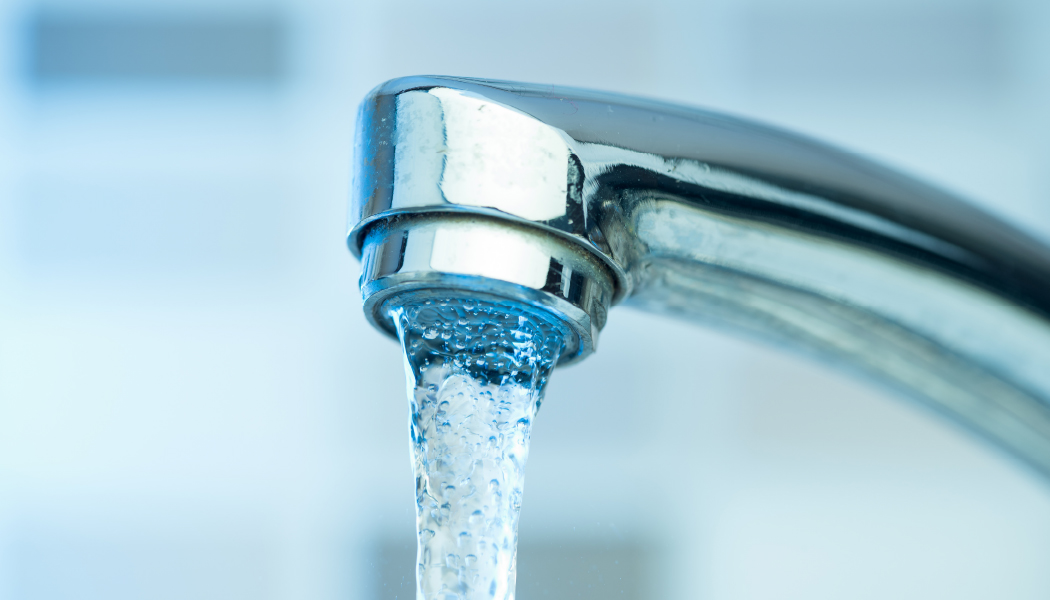
Water that appears cloudy or milky is often caused by tiny air bubbles trapped in the water. In most cases, this is harmless and clears up on its own after a few seconds.

Metallic Taste
A metallic taste in water can be linked to minerals like iron or copper, often coming from plumbing systems or temporary changes in water supply conditions.

Low Water Pressure
A sudden drop in water pressure can happen due to maintenance work, pipe issues, or local supply disruptions. It’s usually temporary but worth monitoring if it continues.

Seasonal Temperature Changes
Changes in weather and temperature can influence how water moves through supply systems, slightly affecting its feel and consistency. During colder or warmer months, water density and flow patterns can shift, which may lead to small but noticeable differences in pressure or temperature at your tap.
Air Bubbles Causing Cloudy Water
Cloudy or milky water is often the result of tiny air bubbles trapped in the supply, which usually disappear within seconds. This can happen when there are pressure changes in the system or when water is moving quickly through pipes.
Minerals Affecting Taste
Natural minerals like iron or copper can sometimes impact the taste of your water, especially in certain plumbing conditions. These minerals may enter the water through older pipes or temporary reactions within the plumbing system.
Water Sitting in Pipes Overnight
Water that sits in pipes for long periods can temporarily change in taste or temperature when first used. This is especially common in the morning or after long periods of inactivity.

Temperature Variations
Fluctuations in temperature can affect how water feels and behaves, especially during seasonal transitions. Cold water may feel unusually warm or vice versa depending on external temperatures and how pipes are exposed or insulated.

Plumbing Maintenance in Your Area
Routine maintenance or nearby work can temporarily impact water pressure, clarity, or flow. Activities like pipe repairs, hydrant use, or system flushing can introduce air or disturb sediments in the pipes.