KnowYourTap exists to help everyday people understand what they’re seeing, smelling, or tasting from their tap — without panic, jargon, or hidden agendas.
If your water suddenly looks cloudy, smells unusual, or tastes different, this guide helps explain what it might mean. Instead of guessing or worrying, you’ll have a clearer idea of what’s happening and what to do next.

Water that appears cloudy or milky is often caused by tiny air bubbles trapped in the water. In most cases, this is harmless and clears up on its own after a few seconds.

A metallic taste in water can be linked to minerals like iron or copper, often coming from plumbing systems or temporary changes in water supply conditions.

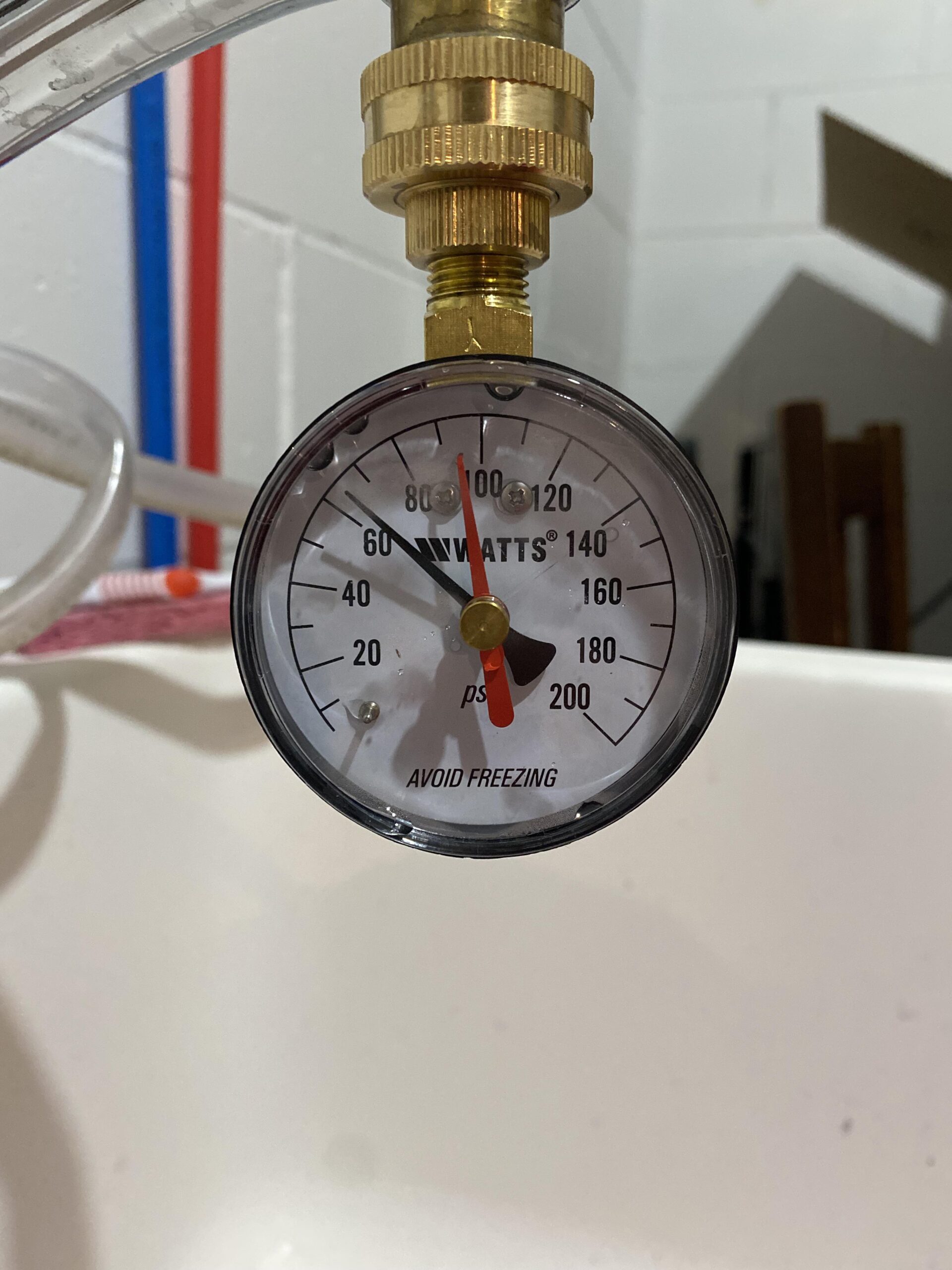
A sudden drop in water pressure can happen due to maintenance work, pipe issues, or local supply disruptions. It’s usually temporary but worth monitoring if it continues.

Tap water can change for many ordinary reasons. Seasonal shifts, building plumbing, routine maintenance, and even how long water sits in pipes overnight can affect appearance, taste, pressure, or temperature. These changes may seem unusual, but many of them are temporary and part of normal water system behavior.

Changes in weather and temperature can influence how water moves through supply systems, slightly affecting its feel and consistency. During colder or warmer months, water density and flow patterns can shift, which may lead to small but noticeable differences in pressure or temperature at your tap.

Cloudy or milky water is often the result of tiny air bubbles trapped in the supply, which usually disappear within seconds. This can happen when there are pressure changes in the system or when water is moving quickly through pipes.
Natural minerals like iron or copper can sometimes impact the taste of your water, especially in certain plumbing conditions. These minerals may enter the water through older pipes or temporary reactions within the plumbing system.
Water that sits in pipes for long periods can temporarily change in taste or temperature when first used. This is especially common in the morning or after long periods of inactivity.
Fluctuations in temperature can affect how water feels and behaves, especially during seasonal transitions. Cold water may feel unusually warm or vice versa depending on external temperatures and how pipes are exposed or insulated.
Routine maintenance or nearby work can temporarily impact water pressure, clarity, or flow. Activities like pipe repairs, hydrant use, or system flushing can introduce air or disturb sediments in the pipes.
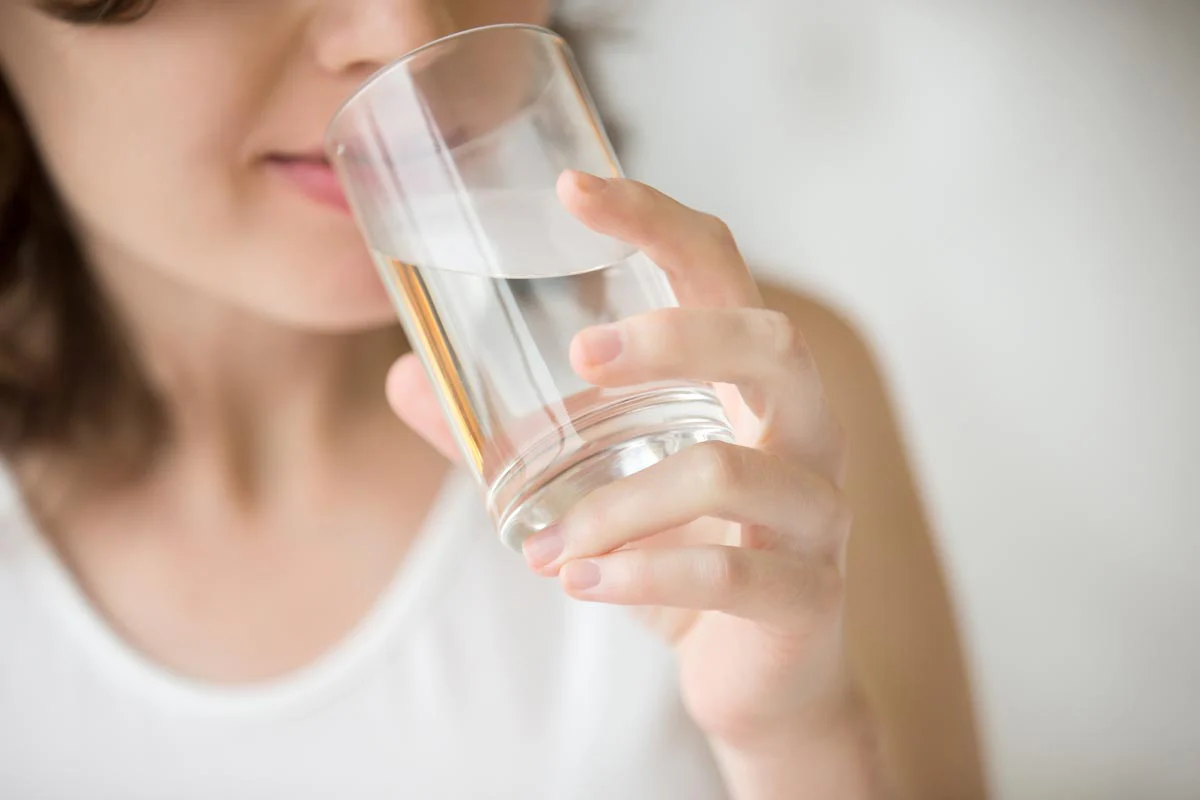
One of the most confusing things about tap water is that it can look or behave differently even when the overall system is working as intended. Clear water doesn’t always mean “perfect,” and water that looks unusual doesn’t automatically mean something is wrong.
Water travels a long path before it reaches your tap. Along the way, it moves through treatment facilities, large distribution pipes, neighborhood mains, building plumbing, and finally the pipes inside your walls. Changes can happen at any point in that journey.
For example, air trapped in the water can make it look cloudy or milky. Sediment disturbed by nearby construction can temporarily cause yellow or brown discoloration. Water sitting overnight in older pipes can look different in the morning than later in the day.
Temperature changes, pressure fluctuations, or routine flushing by the city can all affect what you notice at the tap. None of these automatically mean contamination or danger.
What often causes worry is the lack of explanation. When people don’t know why something is happening, the mind fills in the blanks—usually with worst-case assumptions.
KnowYourTap focuses on context. We explain not just what you’re seeing, but why it happens, how common it is, and whether it typically resolves on its own. In many cases, the explanation is far more ordinary than people expect.
Understanding the difference between a normal system behavior and a real issue is the key to staying calm and making sensible decisions.
The guiding principle of KnowYourTap is simple: clarity without fear.
Water issues can sound scary online because many resources jump straight to worst-case scenarios or technical explanations that don’t apply to most homes. That approach creates anxiety without improving understanding.
This site takes the opposite approach. We start with the most likely, everyday explanations. We explain when changes are normal, when they’re building-related, and when it makes sense to ask a question or request a check.
We avoid dramatic language and avoid pushing products or services. Knowing what’s happening is often enough to reduce concern. That doesn’t mean ignoring real problems. When something is genuinely unusual or persistent, we say so clearly—and explain who is typically responsible and what steps make sense next.
Most tap changes are not emergencies. They’re signals—often harmless ones—from a complex system doing its job. KnowYourTap is here to help you read those signals calmly, confidently, and without unnecessary stress.
KnowYourTap is organized around real-world tap issues—the kinds of things people actually notice in their kitchens and bathrooms.
Often linked to sediment, pipe disturbance, or building plumbing
Usually caused by trapped air bubbles rather than contamination
Can result from plumbing materials or water sitting in pipes
May be stronger at certain times of the year due to treatment levels
Common in multi-unit buildings or during system changes
Often seen in older buildings with shared heating systems
Happens when water has been sitting in pipes overnight
No. Discoloration—such as yellow, brown, or cloudy water—is often caused by sediment, air bubbles, or water sitting in pipes. These changes are usually mechanical, not dangerous. If water runs clear after a short time and has no strong odor, it’s typically safe. Avoid drinking water only while it’s visibly discolored, and resume normal use once it clears.
Overnight, water sits still inside pipes. When you turn on the tap in the morning, you’re often seeing water that has interacted with plumbing materials for several hours. This can affect taste, smell, or color briefly. Running cold water for 30–60 seconds usually brings in fresh water from the main and resolves the issue.
Start by checking how widespread the issue is. If only one faucet is affected, it’s usually a fixture issue. If your whole apartment or building sees the same change, it’s likely building plumbing. City issues typically affect many buildings at once and are often temporary. Asking neighbors is one of the fastest ways to get clarity.
Yes. Hot water usually comes from a building-level boiler or heater, not directly from the city supply. Because it sits longer and interacts with heating equipment, it often tastes or looks different. This is normal. Always use cold water for drinking and cooking, and judge overall water quality based on cold water after running it briefly.
It makes sense to ask for help if a change doesn’t clear, keeps returning, or is accompanied by strong odor, heavy particles, or pressure loss. Start with building management or a plumber if the issue seems local. Contact your water provider if many buildings are affected or if the issue is confirmed to be city-wide.