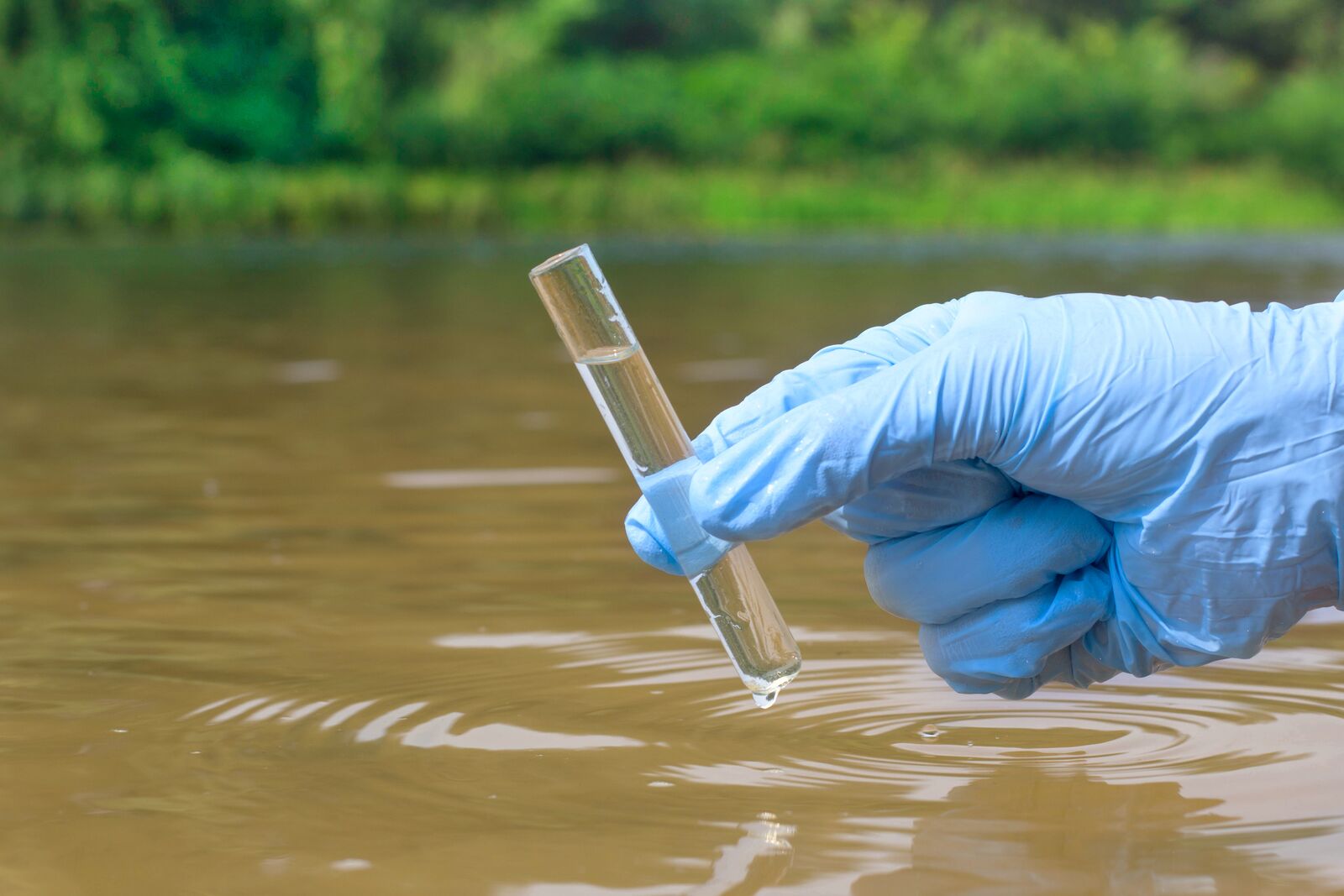
Returning from a relaxing vacation only to turn on the tap and see a burst of yellow water or hear a “coughing” sound from the pipes can be a jarring experience. It feels as if your home’s infrastructure has failed in your absence. However, this is a perfectly normal technical reaction known as “Stagnation Shock.” When your home’s plumbing system sits idle for even a few days, the chemical and physical balance of the water shifts. At Know Your Tap, we believe that stagnation education is essential for every modern resident. Understanding why “vacation water” looks different is a foundational part of home health literacy. Stagnation is a silent environmental variable. Your absence is a catalyst for change.
The Buildup of Local Concentration
While you are away, the water in your “branch lines”—the small pipes behind your walls—is sitting perfectly still. During this time, it has 100% contact with the interior of the pipes. If your building has original galvanized iron or copper plumbing, the water slowly dissolves the metal ions and mineral scale from the pipe walls. Without the daily “scouring” of regular use, these particles concentrate in one spot. When you finally turn on the tap, you are seeing a week’s worth of accumulated pipe decay delivered in a single second. This “concentration event” is a classic localized quality shift. Your pipes have been working on that water for days. Concentration is the natural result of inactivity. Every hour is a reaction.
The “Degassing” Cough
If you hear a “sputtering” or air-rushing sound when you first open the tap after a long period, your pipes have “degassed.” Over time, the air that is naturally dissolved in the city water can escape the liquid and form a pocket at the highest point of your plumbing (usually your showerhead or kitchen faucet). This air pocket is harmless but can create enough “turbulence” to stir up dormant sediment as it is pushed out. This is why “vacation water” often looks more clouded or hazy for the first 30 seconds. This is a primary topic in our urban utility FAQ and is consistent with EPA-mandated safety observations regarding building-wide stagnation effects. Turbulence is a mechanical byproduct of air removal. The sputtering is the sound of your pipes reset.
The Impact on Gaskets and Seals
When water doesn’t move, the rubber gaskets and O-rings inside your faucets can “dry out” or become slightly adhered to the metal surfaces. When you finally turn the handle, the sudden movement can tear microscopic particles of rubber into the water stream. This is why your first glass of water after a vacation might have tiny black specks or a rubbery odor. This isn’t a city-side contaminant; it’s a mechanical “stiffness” from your home’s fixtures. At Know Your Tap, we recommend a pre-vacation prep of turning off your main valve to protect your seals. Mechanical health depends on regular movement. Stiffness is the enemy of longevity.
Biofilm and the “Earthy” Scent
Freshly treated city water contains chlorine to kill bacteria. However, chlorine is a volatile gas that naturally dissipates over 48 to 72 hours. If your home has been stagnant for a week, the chlorine levels have dropped to near zero, allowing the “biofilm” (a harmless layer of microscopic organisms) on the inside of the pipes to slightly expand. This growth releases organic compounds that impart a musty, “swampy,” or earthy scent to the water. At Know Your Tap, we categorize this scent as a residual confirmation marker—proof that your water has been sitting for too long and needs to be refreshed. Biofilm is the biological signature of a home at rest. Freshness is a function of flow.
The “Flush Everything” Protocol
Don’t just flush your kitchen sink. You must flush your dishwasher (by running a rinse cycle), your refrigerator ice maker (by dumping the first two batches of ice), and your washing machine. All of these appliances have “dead legs” of stagnant water that can affect your home’s overall health and odors. At Know Your Tap, we believe that total system hygiene is the only way to clear the “vacation ghost” from your home. A three-minute kitchen flush is just the beginning.
Conclusion
Water “spoils” just like any other household staple when left in the pipes for too long. By recognizing the role of local concentration, degassing, and biofilm expansion, you can handle your “vacation water” with technical confidence instead of concern. Your home isn’t broken; it just needs a fresh start. Know your flush, know your stagnation, and always Know Your Tap. The path to clear water is just a three-minute run away. At Know Your Tap, we make sure that your return home is as clean as the city mains. Your home deserves a fresh start after every journey. Welcome back to the grid.